April 19, 2026

admin

Cryptocurrency course in kolkata opens the door to a fascinating world where finance meets technology. As digital currencies gain traction globally, the importance of understanding this new financial landscape has never been greater. In Kolkata, the demand for cryptocurrency education is surging, driven by a growing interest in blockchain technology and investment opportunities. Local institutions are stepping up to fill this educational gap, ensuring that students are well-equipped to navigate this innovative sector.

This overview will dive into the various offerings, notable institutions, and the essential skills students can acquire through these courses. Whether you’re a beginner curious about cryptocurrency or looking to advance your knowledge, there’s something for everyone in Kolkata’s thriving educational scene.

Introduction to Cryptocurrency Courses in Kolkata

In today’s rapidly evolving financial landscape, cryptocurrency has emerged as a pivotal force, influencing the way individuals and institutions approach investments and transactions. Education in cryptocurrency is essential for understanding this complex domain, enabling individuals to navigate the opportunities and risks associated with digital currencies. The growing demand for cryptocurrency courses in Kolkata reflects the increasing interest in blockchain technology and its applications.

As more people seek to understand how cryptocurrencies operate, local educational institutions are stepping up to offer relevant courses that cater to this need. These courses not only enhance knowledge but also promote a culture of financial literacy within the community.

Significance of Cryptocurrency Education

Cryptocurrency education is vital for several reasons:

  • Empowers individuals to make informed investment decisions.
  • Encourages innovation in financial technologies.
  • Enhances job prospects in a burgeoning industry.

Types of Cryptocurrency Courses Available

Kolkata boasts a diverse range of cryptocurrency courses designed to cater to different skill levels and learning preferences. From introductory sessions to advanced professional training, there is something for everyone.

Course Levels

Cryptocurrency Faucet Bitcoin Free Frame Transparent HQ PNG Download ...

Courses can be categorized into three main levels:

  • Beginner Courses: Introduces fundamental concepts of cryptocurrency and blockchain technology.
  • Intermediate Courses: Focuses on trading strategies, market analysis, and investment techniques.
  • Advanced Courses: Delve into technical aspects, including blockchain development and cryptocurrency regulations.

Types of Programs Offered

Kolkata’s institutions offer various formats of cryptocurrency education:

  • Certificate Programs: Short-term, focused courses that provide a foundational understanding.
  • Diplomas: More comprehensive programs that cover a wider array of topics.
  • Online Courses: Flexible learning options that allow students to learn at their own pace.

Curriculum Overview of Cryptocurrency Courses

A typical cryptocurrency course encompasses a wide range of topics essential for grasping the intricacies of digital currencies and blockchain technology.

Core Modules

The curriculum is often organized into key modules, including:

  • Blockchain Technology: Understanding the underlying technology that powers cryptocurrencies.
  • Trading Strategies: Techniques for buying, selling, and managing crypto assets effectively.
  • Security Measures: Best practices for safeguarding digital assets from theft and fraud.

Skills Development

Participants can expect to gain several valuable skills, such as:

  • Analyzing market trends and making informed trading decisions.
  • Understanding regulatory frameworks surrounding cryptocurrencies.
  • Developing blockchain-based applications.

Notable Institutions Offering Cryptocurrency Courses

Kolkata is home to several reputable institutions that provide excellent cryptocurrency education.

Reputable Institutions

Here are some of the institutions recognized for their cryptocurrency courses:

  • Institute of Engineering and Management (IEM): Offers comprehensive programs taught by experienced faculty.
  • Indian Institute of Digital Education (IIDE): Provides a hands-on approach with real-world applications.
  • National Institute of Securities Markets (NISM): Focuses on regulatory aspects along with market analysis.

Comparative Analysis

Page for individual images • Quoteinspector.com

When evaluating these institutions, factors to consider include:

  • Course offerings and specializations available.
  • Qualifications and experience of faculty members.
  • Feedback from current and former students regarding course effectiveness.

Learning Outcomes and Benefits

Completing a cryptocurrency course can open up numerous career opportunities in a rapidly growing field.

Career Opportunities

Graduates can explore various job roles, including:

  • Cryptocurrency Analyst
  • Blockchain Developer
  • Investment Consultant

Real-World Applications

Participants gain practical skills that can be applied in different scenarios, such as:

  • Making informed investment choices in the cryptocurrency market.
  • Utilizing blockchain technology for business solutions.

Student Testimonials

Past students have shared how these courses transformed their professional lives, highlighting:

“After completing the course, I secured a position as a crypto analyst, which has completely changed my career trajectory.”

Cost and Duration of Cryptocurrency Courses

Understanding the financial and time investment required for cryptocurrency courses is crucial for prospective students.

Cost Structure

The costs associated with various cryptocurrency programs can vary significantly. Here’s a breakdown:

Course Type Average Cost
Certificate Programs $200 – $500
Diplomas $500 – $1,200
Online Courses $100 – $800

Duration of Courses

Course duration varies based on the type of program:

  • Certificate programs typically last from a few weeks to a couple of months.
  • Diploma courses may range from three to six months.
  • Online courses offer flexible timelines, often allowing completion within a few hours to several months.

Future of Cryptocurrency Education in Kolkata

The landscape of cryptocurrency education in Kolkata is rapidly changing, influenced by technological advancements and market demands.

Emerging Trends

Several trends are shaping the future of cryptocurrency education:

  • Increased collaboration between educational institutions and cryptocurrency businesses.
  • Integration of emerging technologies such as AI and machine learning in the curriculum.

Predictions for Growth

As the interest in cryptocurrencies continues to rise, it is predicted that:

  • The number of courses and programs will expand significantly.
  • Investment in cryptocurrency education will contribute positively to the local economy.

Resources for Continued Learning

Beyond formal education, there are numerous resources available for those looking to deepen their understanding of cryptocurrency.

Additional Learning Tools

Some recommended resources include:

  • Online platforms like Coursera and Udemy offer various cryptocurrency courses.
  • Community forums such as Reddit and local meetups provide networking opportunities and knowledge sharing.

Recommended Reading and Media

To further enhance your understanding, consider these resources:

  • Books: “Mastering Bitcoin” by Andreas M. Antonopoulos
  • Podcasts: “Unchained” by Laura Shin
  • Webinars: Many institutions and industry leaders host regular online webinars on cryptocurrency topics.

Last Recap

In conclusion, embarking on a cryptocurrency course in kolkata not only enhances your understanding but also opens up numerous career possibilities in a rapidly evolving market. With various educational institutions offering tailored programs that cater to different skill levels, students can gain practical knowledge and insights essential for success. As the cryptocurrency landscape continues to grow, those who invest in their education today will be well-positioned for tomorrow’s opportunities.

Clarifying Questions

What prerequisites do I need for a cryptocurrency course?

Most courses do not require prior knowledge, making them accessible to beginners, though a basic understanding of finance can be beneficial.

Are there online options for cryptocurrency courses in Kolkata?

Yes, many institutions offer online courses that provide flexibility and convenience for learners.

How can I apply the skills learned from these courses in real life?

Students can use their skills to invest in cryptocurrencies, work in fintech companies, or even start their own crypto-related ventures.

What is the typical duration of these courses?

Course duration varies, with short-term courses lasting a few weeks and diplomas or advanced courses spanning several months.

Are there any practical projects involved in the courses?

Many courses include practical projects or simulations that allow students to apply their knowledge in real-world scenarios.

Crypto arbitrage courses are becoming increasingly popular as traders look for ways to capitalize on price discrepancies across different exchanges. By taking advantage of these price differences, traders can execute profitable trades while minimizing risks. This overview will guide you through the basics of crypto arbitrage, the strategies involved, and the tools necessary for success.

Understanding how crypto arbitrage works is essential for anyone interested in the cryptocurrency market. From spatial and triangular arbitrage to statistical approaches, each strategy presents unique opportunities and challenges. By enrolling in a comprehensive course, you can equip yourself with the knowledge needed to navigate this dynamic trading landscape effectively.

Introduction to Crypto Arbitrage

Simple Guide to Cryptocurrency Arbitrage. | by Arbitragebinance | Medium

Crypto arbitrage is a trading strategy that capitalizes on the price discrepancies of cryptocurrencies across different exchanges. In a market characterized by volatility and rapid price changes, crypto arbitrage holds significant importance as it allows traders to make profits by buying low on one exchange and selling high on another. This practice not only enhances liquidity in the market but also contributes to price stabilization.At its core, crypto arbitrage involves monitoring price variations between exchanges, thereby executing trades that leverage these differences.

Traders can employ various strategies, including spatial arbitrage, where they exploit price differences across different markets, and triangular arbitrage, which utilizes currency pairs within a single exchange to capitalize on inefficiencies. While the potential for profit is enticing, engaging in crypto arbitrage comes with inherent risks such as market volatility, transaction fees, and the possibility of trade execution delays.

Types of Crypto Arbitrage Strategies

There are several strategies employed in crypto arbitrage, each with its unique approach and risk profile. Understanding these strategies is crucial for traders looking to optimize their profits.

  • Spatial Arbitrage: This strategy involves buying a cryptocurrency on one exchange and selling it on another where the price is higher. It’s straightforward but requires quick execution to minimize risks arising from price fluctuations.
  • Triangular Arbitrage: This occurs within a single exchange. Traders exploit the price differences between three different currencies. For example, trading BTC to ETH, then ETH to LTC, and finally LTC back to BTC, aiming to end up with more BTC than initially invested.
  • Statistical Arbitrage: This strategy uses quantitative methods to identify price inefficiencies based on historical data and statistical models. It often involves a larger number of trades and positions to capitalize on minor price discrepancies.
Strategy Advantages Disadvantages
Spatial Arbitrage Easy to understand, direct profit potential Requires fast execution, risks of price changes
Triangular Arbitrage Can be executed on one exchange, takes advantage of internal pricing Complex calculations, requires favorable market conditions
Statistical Arbitrage Can generate profits from small discrepancies, systematic approach Needs advanced statistical knowledge, higher risk of loss

Course Content Overview

A comprehensive crypto arbitrage course should include essential topics that equip learners with the necessary skills and knowledge to succeed in this domain. Key subjects should cover market analysis, trading strategies, and risk management techniques.Market analysis plays a crucial role in crypto arbitrage as it enables traders to identify potential opportunities and assess risks. Understanding how different trading platforms operate is equally important, as each platform may have unique features, fee structures, and liquidity levels affecting arbitrage opportunities.Incorporating successful case studies into the course will provide practical insights into how various strategies can be effectively applied.

For instance, examining a scenario where a trader capitalized on a notable price difference between exchanges can reinforce theoretical concepts with real-world relevance.

Tools and Resources for Crypto Arbitrage

7 Best Cryptocurrency Arbitrage Courses List: 2023

Utilizing the right tools and resources is vital for effective crypto arbitrage trading. Traders can leverage various platforms and applications designed to facilitate real-time tracking and analysis of price differences.

  • Arbitrage bots: Automated tools that execute trades on behalf of the trader, aiming to capitalize on price discrepancies.
  • Price tracking websites: Platforms that aggregate cryptocurrency prices across exchanges, offering valuable insights at a glance.
  • Trading platforms: Exchanges that provide the necessary trading environment, liquidity, and tools for executing arbitrage strategies.
Tool Features Cost User Experience
Arbitrage Bot A Automated trading, real-time alerts $50/month User-friendly interface, customizable settings
Price Tracker B Multi-exchange price comparison, historical data Free Intuitive layout, mobile app available
Exchange C High liquidity, low transaction fees Varies by trading volume Responsive support, advanced trading tools

Risk Management in Crypto Arbitrage

Implementing effective risk management strategies is essential for mitigating potential losses in crypto arbitrage trading. Traders should employ various protocols to safeguard their investments.Key strategies include setting stop-loss orders to limit potential losses, diversifying trades across multiple exchanges to reduce exposure, and regularly assessing market conditions to adjust strategies accordingly. Additionally, maintaining a disciplined approach to trading and having a well-defined plan can help manage risk effectively.To establish effective risk management protocols, traders should follow these steps:

  1. Conduct thorough market research to identify potential risks.
  2. Set predefined risk thresholds for each trade.
  3. Utilize stop-loss and take-profit orders as part of the trading strategy.
  4. Regularly review trading performance to learn from successes and failures.

“Risk management is not just about avoiding losses; it’s about creating a framework that allows traders to maximize their potential gains while minimizing exposure.”

Real-life Applications and Case Studies

Real-life applications of crypto arbitrage can offer invaluable insights into the decision-making process involved in trading. Analyzing specific trades can highlight both successful and unsuccessful scenarios, providing learners with practical knowledge.For instance, one notable case involved a trader who identified a sharp price discrepancy between two major exchanges during a market surge. By executing rapid trades, the trader managed to secure a significant profit within minutes.

Conversely, a less successful case illustrated the dangers of market volatility, where the price difference narrowed before the trader could execute their planned trades, resulting in a loss.Takeaways from these case studies include the importance of swift execution, the need for robust market analysis, and the inherent risks associated with arbitrage trading. These lessons can significantly enhance learners’ understanding and preparedness for engaging in crypto arbitrage.

The Future of Crypto Arbitrage

The landscape of crypto arbitrage is continuously evolving, with emerging trends shaping how traders approach this market. Advancements in technology, such as improved trading algorithms and faster transaction processing, are expected to enhance arbitrage opportunities.As market conditions fluctuate, traders must adapt to changes in liquidity, trading volumes, and regulatory environments. The rise of decentralized exchanges may also introduce new avenues for arbitrage, as they often have varying pricing dynamics compared to centralized platforms.Speculatively, the future profitability of crypto arbitrage could be influenced by increased competition among traders, which may narrow profit margins, and the introduction of innovative financial products that could offer new forms of arbitrage strategies.

However, savvy traders equipped with the right tools and knowledge will likely continue to find opportunities in this dynamic and fast-paced market.

Concluding Remarks

In summary, crypto arbitrage courses offer invaluable insights into a complex yet rewarding area of trading. As you explore various strategies, tools, and case studies, you’ll gain the confidence and expertise needed to make informed trading decisions. The future of crypto arbitrage holds exciting possibilities, and with the right education, you can be well-prepared to seize these opportunities.

FAQ

What is crypto arbitrage?

Crypto arbitrage is the practice of buying and selling cryptocurrencies across different exchanges to take advantage of price differences.

Is crypto arbitrage risky?

Yes, while it can be profitable, it carries risks such as market volatility, execution delays, and exchange fees.

What tools do I need for crypto arbitrage?

Essential tools include trading platforms, market analysis software, and price alert apps to monitor fluctuations across exchanges.

Can I automate crypto arbitrage trading?

Yes, many platforms offer automated trading features that can execute trades based on predefined criteria.

Are there successful case studies of crypto arbitrage?

Yes, numerous traders have documented profitable arbitrage trades, which can serve as valuable learning experiences.

Bitcoin companies uk are at the forefront of a financial revolution, transforming the way we perceive and engage with money. As the cryptocurrency landscape continues to evolve, these companies are not only facilitating transactions but also shaping regulations and consumer attitudes towards digital assets.

The UK is home to a diverse array of Bitcoin businesses, ranging from exchanges and wallets to mining operations. Each sector plays a crucial role in the market, and understanding their unique features can provide valuable insights for anyone interested in the world of cryptocurrency.

Overview of Bitcoin Companies in the UK

The landscape of Bitcoin companies in the UK has evolved dramatically over the past few years, reflecting the increasing acceptance of cryptocurrencies in mainstream finance. With a robust financial market and a growing tech ecosystem, the UK has become a fertile ground for Bitcoin-related businesses. This article delves into the current state of Bitcoin companies in the UK, highlighting the regulatory environment and key players in the market.

Current Landscape of Bitcoin Companies

The UK is home to a diverse range of Bitcoin companies, from exchanges and digital wallets to mining operations and blockchain technology firms. Regulatory clarity has played a crucial role in fostering this environment, allowing businesses to operate with a degree of confidence. Major players in the UK market include exchanges like Coinbase and Bitstamp, as well as wallet providers such as Blockchain.com.

These companies offer a variety of services, including trading, storage, and asset management, catering to both individual and institutional clients.

Types of Bitcoin Companies in the UK

Bitcoin companies in the UK can be categorized based on the services they provide. Understanding these categories helps to identify the unique offerings available to users.

Categorization of Bitcoin Companies

  • Exchanges: Platforms that facilitate the buying and selling of Bitcoin. Prominent examples include Coinbase and Binance, which provide user-friendly interfaces and a wide range of cryptocurrencies.
  • Wallet Providers: Companies that offer secure storage solutions for Bitcoin. Companies like Blockchain.com and Exodus are known for their robust security features and ease of use.
  • Mining Operations: Firms that focus on the extraction of Bitcoin through mining. For instance, Argo Blockchain is a notable player in the UK mining sector, leveraging renewable energy sources for eco-friendly mining.
  • Payment Processors: Businesses that enable merchants to accept Bitcoin as a form of payment. BitPay is an example of a company that simplifies cryptocurrency transactions for retailers.

Legal and Regulatory Framework

The regulatory landscape for Bitcoin companies in the UK is shaped by various legislative requirements aimed at ensuring consumer protection and financial stability.

Legislative Requirements for Bitcoin Companies

Bitcoin companies must adhere to specific regulations set forth by the Financial Conduct Authority (FCA). These include anti-money laundering (AML) and counter-terrorist financing (CTF) measures. Companies are required to register with the FCA and implement comprehensive compliance programs to monitor and report suspicious activities.

Compliance Measures for Companies

To comply with UK regulations, Bitcoin companies must establish robust systems for customer due diligence, transaction monitoring, and record-keeping. This involves collecting identification information from users and maintaining detailed logs of transactions to ensure transparency and accountability.

Role of Financial Authorities

The FCA plays a crucial role in regulating Bitcoin activities, providing guidelines that help ensure a safe and secure environment for both businesses and consumers. The authority’s oversight aims to mitigate risks associated with cryptocurrency trading and protect consumers from fraudulent practices.

Challenges Faced by Bitcoin Companies

Despite the growing popularity of Bitcoin, companies in the UK encounter various challenges that can hinder their operations.

Common Challenges

Bitcoin companies often face hurdles such as regulatory compliance, market volatility, and public perception. The fluctuating nature of cryptocurrency prices can lead to financial instability for businesses, impacting their profitability and operational decisions.

Impact of Market Volatility

Market volatility is a significant challenge for Bitcoin companies, as rapid price changes can affect user confidence and trading volumes. Companies must implement strategies to manage risks associated with market fluctuations, including hedging and diversifying their offerings to maintain stability.

Insights on Public Perception

Public perception of Bitcoin remains mixed, with some viewing it as a speculative investment while others embrace its potential for innovation in finance. Companies must navigate these perceptions, working to educate consumers about the benefits and risks of cryptocurrency.

Bitcoin Adoption and Usage Trends

The adoption of Bitcoin in the UK is steadily increasing, as both businesses and consumers begin to recognize its potential.

Trends in Bitcoin Adoption

Recent statistics indicate a growing number of businesses are accepting Bitcoin as a payment option, with approximately 30% of UK merchants exploring cryptocurrency transactions. Factors driving this trend include the desire for lower transaction fees and access to a global market.

Statistics on Bitcoin Transactions

Bitcoin transaction volumes have surged, with the UK accounting for a significant portion of global trading activity. In 2023, the UK saw an increase of over 150% in Bitcoin transactions compared to the previous year, highlighting the growing interest among consumers.

Factors Driving or Hindering Bitcoin Acceptance

Bitcoin Technical Analysis 30 December, 2021

Key factors influencing Bitcoin adoption include technological advancements, regulatory support, and evolving consumer preferences. However, challenges such as security concerns and limited understanding of cryptocurrency continue to hinder widespread acceptance.

Technological Innovations in Bitcoin Companies

Technological advancements are critical for the growth and efficiency of Bitcoin companies in the UK.

Technological Advancements

Companies are increasingly adopting innovative technologies to enhance their service delivery. This includes the integration of artificial intelligence for fraud detection, and advanced encryption techniques for securing transactions.

Innovative Tools and Applications

Prominent tools developed by Bitcoin companies in the UK include mobile wallet applications, decentralized finance (DeFi) platforms, and trading bots that leverage algorithms for automated trading. These innovations aim to improve user experiences and streamline operations.

Significance of Blockchain Technology

Blockchain technology serves as the backbone of Bitcoin, enhancing transparency and security in transactions. Its decentralized nature ensures that all transactions are verifiable and immutable, fostering trust among users and businesses alike.

Future of Bitcoin Companies in the UK

The future of Bitcoin companies in the UK looks promising, with several potential growth areas on the horizon.

Potential Growth Areas

As the cryptocurrency market matures, areas such as regulatory technology (RegTech), stablecoins, and institutional investment are expected to drive growth for Bitcoin companies. The increasing acceptance of digital currencies by financial institutions also presents significant opportunities.

Influence of Global Trends

Global trends in cryptocurrency adoption, such as the rise of central bank digital currencies (CBDCs) and increased interest from institutional investors, may influence the UK market. Companies that adapt to these changes will likely position themselves for success.

Roadmap for Future Developments

Future developments in the Bitcoin sector could include enhanced regulatory frameworks, greater collaboration between companies and regulators, and advancements in blockchain scalability solutions. These factors will be crucial in shaping the evolution of Bitcoin companies in the UK.

Case Studies of Successful Bitcoin Companies

Examining successful Bitcoin companies in the UK provides valuable insights into effective business models and strategies.

In-depth Case Studies

One notable example is Coinbase, which has successfully navigated regulatory challenges while expanding its user base through a focus on security and user experience. Another example is Bitstamp, which has established itself as a trusted exchange by prioritizing compliance and customer service.

Business Models and Strategies

Successful companies often employ a combination of user-friendly platforms, robust security measures, and strong customer support. Their strategies emphasize transparency and education, helping to build trust within the community.

Key Lessons Learned

From these case studies, it is clear that adaptability and a proactive approach to regulation are essential for success in the Bitcoin industry. Companies that prioritize customer needs and invest in technology are better positioned to thrive in an evolving market.

Community and Support Networks

What Are Bitcoins and Why Do Criminals Like Them? - Diane Capri

The Bitcoin community in the UK plays a pivotal role in fostering collaboration among companies.

Role of Community in Supporting Bitcoin Companies

Community-driven initiatives, such as forums and meetups, provide valuable networking opportunities for Bitcoin companies. Organizations like the UK Digital Currency Association promote collaboration and knowledge sharing, helping businesses navigate challenges.

Examples of Forums and Meetups

Regular events and online forums allow entrepreneurs to connect, share experiences, and collaborate on projects. These gatherings foster a sense of community and facilitate discussions on the latest developments in the cryptocurrency space.

Networking Contributions to Business Success

Networking within the Bitcoin community significantly contributes to business success. Companies that actively engage with the community often benefit from partnerships, mentorships, and access to resources that can enhance their operations.

Concluding Remarks

As the journey of Bitcoin companies in the uk unfolds, the potential for innovation and growth remains significant. With a supportive community and a regulatory framework adapting to the fast-paced changes in technology, these companies are well-positioned to lead the charge into a new era of finance, making digital currencies more accessible and mainstream.

Key Questions Answered

What are Bitcoin companies in the UK?

Bitcoin companies in the UK are businesses that facilitate the buying, selling, and use of Bitcoin and other cryptocurrencies.

How are Bitcoin companies regulated in the UK?

They are regulated by the Financial Conduct Authority (FCA) which requires compliance with anti-money laundering and consumer protection standards.

What types of services do Bitcoin companies offer?

Services include cryptocurrency exchanges, wallets, payment processing, and mining operations.

How can I safely invest in Bitcoin through UK companies?

Ensure you choose a regulated company, use secure wallets, and conduct thorough research before investing.

What challenges do Bitcoin companies face in the UK?

Common challenges include regulatory uncertainty, market volatility, and public perception issues.

As the crypto company owner takes center stage, this opening passage beckons readers into a world rich with knowledge, ensuring an engaging reading experience that is both informative and fresh.

In today’s rapidly evolving financial landscape, crypto company owners play a pivotal role in the burgeoning cryptocurrency market. Their responsibilities encompass a diverse range of duties, from overseeing operations and ensuring regulatory compliance to effectively managing financial resources and embracing technological innovations. As digital currencies continue to gain traction, understanding the intricacies of this role is more crucial than ever.

Role of a Crypto Company Owner

The role of a crypto company owner is multifaceted and requires a unique blend of skills and responsibilities. As the leader of a cryptocurrency venture, one must navigate a rapidly evolving landscape filled with opportunities and challenges. This position not only involves strategic decision-making but also understanding the intricate dynamics of the blockchain and cryptocurrency markets.

Responsibilities and Duties

A crypto company owner is responsible for overseeing the entire business operation, which includes but is not limited to:

  • Creating a business strategy that aligns with market trends.
  • Managing financial aspects such as budgeting and forecasting.
  • Ensuring compliance with regulatory requirements.
  • Building and leading a team of skilled professionals.
  • Engaging with the community and stakeholders to promote the brand.

Key Skills Required

Successful crypto company owners possess a combination of technical and business management skills. These include:

  • A deep understanding of blockchain technology.
  • Strong analytical skills for market analysis.
  • Excellent leadership and communication abilities.
  • Financial acumen to manage investments and expenditures.
  • Problem-solving skills to navigate the complexities of the industry.

Challenges Faced

Operating in the cryptocurrency market presents several challenges for owners, such as:

  • Dealing with volatile market conditions.
  • Maintaining security against cyber threats.
  • Navigating a complex regulatory environment.
  • Building trust and credibility in a skeptical market.
  • Attracting and retaining talent in a competitive landscape.

Starting a Crypto Company

Launching a cryptocurrency business requires careful planning and execution. From conceptualization to establishment, the process is intricate and demands thorough understanding of the market environment.

Steps to Establish a Cryptocurrency Business

The journey of starting a crypto company entails several key steps:

  • Conducting market research to identify opportunities.
  • Developing a business plan outlining goals and strategies.
  • Choosing a suitable business structure (LLC, corporation, etc.).
  • Registering the business and acquiring necessary permits.
  • Building a minimum viable product (MVP) to test the market.

Legal Considerations

Navigating the legal landscape is crucial for any crypto startup. Important considerations include:

  • Understanding local and international regulations.
  • Ensuring compliance with anti-money laundering (AML) and know your customer (KYC) laws.
  • Consulting with legal experts specializing in cryptocurrency law.
  • Drafting clear terms of service and privacy policies.

Securing Funding

Crypto Confidence Soars After CEO Defrauds Customers Just Like Real Bank

Funding a crypto startup can be challenging but is essential for growth. Possible strategies include:

  • Seeking venture capital investments.
  • Exploring initial coin offerings (ICOs) to raise capital.
  • Utilizing crowdfunding platforms tailored for crypto projects.
  • Building partnerships with established companies in the industry.

Business Strategies for Crypto Companies

Effective business strategies are vital for the success of crypto companies in a competitive market. Innovative approaches can help establish a strong market presence.

Marketing Strategies

Successful marketing strategies for crypto businesses often leverage digital platforms and community engagement. Examples include:

  • Utilizing social media for brand awareness and community building.
  • Creating informative content to educate potential users.
  • Engaging in influencer partnerships to reach wider audiences.
  • Implementing referral programs to incentivize user growth.

Comparing Business Strategies

While traditional strategies may focus on physical presence, crypto companies often rely on:

  • Decentralized marketing approaches leveraging peer-to-peer networks.
  • Utilizing blockchain for transparent transaction tracking.
  • Community-driven decision-making to foster loyalty.

Importance of Community Engagement

Community engagement plays a pivotal role in the success of crypto ventures. Strong communities can:

  • Provide valuable feedback on product development.
  • Enhance brand loyalty and trust.
  • Facilitate grassroots marketing through word-of-mouth.

Technology and Tools for Crypto Companies

The backbone of any crypto business is its technology infrastructure, which supports operations and enhances security.

Essential Technologies

Key technologies that support crypto business operations include:

  • Blockchain technology for secure and transparent transactions.
  • Cryptographic protocols to safeguard user data.
  • Smart contracts to automate processes.
  • Decentralized applications (dApps) that enhance user experience.

Tools for Managing Transactions

To efficiently manage crypto transactions, businesses rely on various tools, such as:

  • Cryptocurrency wallets for secure storage.
  • Exchanges for buying and selling assets.
  • Payment processors that facilitate merchant transactions.
  • Analytics tools to track performance and market trends.

Role of Blockchain Technology

Blockchain technology is central to the operations of cryptocurrency companies. Its significance includes:

  • Providing transparency in transactions.
  • Reducing costs by eliminating intermediaries.
  • Enhancing security through decentralized networks.

Financial Management for Crypto Companies

Effective financial management is crucial for the sustainability and growth of crypto businesses. Owners must develop strategies to handle unique financial challenges.

Managing Finances

In a crypto business, managing finances involves:

  • Keeping track of volatile cryptocurrency valuations.
  • Implementing sound budgeting practices.
  • Preparing for tax obligations related to crypto transactions.

Tracking and Reporting Transactions

Accurate tracking and reporting of transactions are essential for compliance and financial health. This can be achieved by:

  • Using accounting software designed for crypto businesses.
  • Maintaining detailed records of all transactions in real-time.
  • Conducting regular audits to ensure accuracy.

Importance of Accounting Software

The role of accounting software tailored for crypto businesses is significant. Key benefits include:

  • Automating transaction recording and reporting.
  • Providing tools for managing multiple currencies.
  • Ensuring compliance with financial regulations.

Regulatory Compliance for Crypto Owners

Compliance with regulations is paramount for crypto company owners. Non-compliance can result in severe consequences for the business.

Adhering to Regulations

Crypto companies must adhere to a variety of regulations, which can include:

  • Anti-money laundering (AML) regulations.
  • Know your customer (KYC) requirements.
  • Tax compliance related to cryptocurrency transactions.

Ensuring Compliance

How the two biggest crypto billionaire CEOs proved the critics right

Steps to ensuring compliance with local and international laws involve:

  • Consulting with legal experts in cryptocurrency regulations.
  • Implementing robust compliance programs.
  • Regularly updating procedures to reflect changes in legislation.

Consequences of Non-Compliance

Failure to comply with regulations can lead to:

  • Heavy fines and penalties from regulatory bodies.
  • Legal action that could jeopardize the business.
  • Loss of trust among customers and investors.

Risk Management in the Crypto Industry

Risk management is essential in the cryptocurrency sector due to its inherent volatility and security concerns.

Risks Associated with Running a Crypto Company

The risks faced by crypto company owners include:

  • Market volatility leading to financial instability.
  • Cybersecurity threats and potential hacks.
  • Regulatory risks from changing laws.

Strategies for Mitigating Risks

To mitigate these risks, companies can employ several strategies:

  • Diversifying investments to spread risk.
  • Implementing comprehensive security protocols.
  • Staying informed about regulatory changes and adapting accordingly.

Security Measures for Protecting Assets

Protecting crypto assets involves:

  • Using hardware wallets for secure storage.
  • Implementing two-factor authentication (2FA) for user accounts.
  • Regularly updating software to patch vulnerabilities.

Future Trends in Cryptocurrency

The cryptocurrency landscape is continuously evolving, with new trends emerging that could shape its future.

Emerging Trends

Key emerging trends that may impact the crypto industry include:

  • Increased adoption of decentralized finance (DeFi) applications.
  • Growing interest in non-fungible tokens (NFTs).
  • Expansion of institutional investment in cryptocurrencies.

Opportunities for Growth

Potential opportunities for growth in the cryptocurrency market exist in:

  • Development of new blockchain technologies.
  • Expansion into emerging markets.
  • Collaborations between traditional finance and crypto sectors.

Evolution of Technology

Technology in the crypto space is poised for evolution, which may include:

  • Improved scalability solutions for blockchain networks.
  • Advancements in regulatory technology (RegTech) to aid compliance.
  • Integration of artificial intelligence (AI) for market analysis and decision-making.

Ending Remarks

In conclusion, the journey of a crypto company owner is both challenging and rewarding, filled with opportunities for growth and innovation. By understanding the key responsibilities, strategies, and tools needed to thrive in this space, aspiring owners can better navigate the complexities of the cryptocurrency landscape. As the industry evolves, staying informed and adaptable will be essential for long-term success.

FAQ Overview

What qualifications are needed to be a crypto company owner?

While there are no strict qualifications, a strong background in finance, technology, or business management can be beneficial.

How can a new crypto company secure funding?

New crypto companies often secure funding through venture capital, crowdfunding, or initial coin offerings (ICOs).

What are common challenges faced by crypto company owners?

Common challenges include regulatory compliance, market volatility, and cybersecurity risks.

How important is community engagement for a crypto company?

Community engagement is vital as it helps build trust, fosters loyalty, and drives adoption of the cryptocurrency.

What technologies are essential for operating a crypto business?

Key technologies include blockchain platforms, crypto wallets, and trading systems.

As financial news update today takes center stage, we delve into the latest trends and movements that are shaping the economic landscape. Staying informed about these developments is crucial for investors and anyone with a vested interest in the financial world.

This update covers significant stock market changes, key economic indicators, and global economic developments that are currently making waves. Moreover, insights from financial analysts and the impact of technology on finance reveal how these factors intertwine and influence investor strategies.

Current Trends in Financial News

As the financial landscape continues to evolve, several key trends are shaping the news today. With technology, changing consumer behavior, and geopolitical factors playing significant roles, it’s essential to stay informed about these shifts. Understanding these trends can provide insight into market movements and investor sentiment.One major trend is the increasing reliance on technology for financial transactions and news dissemination.

This shift has led to more dynamic trading environments and informed investors. Another trend is the growing emphasis on sustainability and ESG (Environmental, Social, and Governance) factors, which are influencing investment decisions. Recent headlines, such as the surge in electric vehicle stocks and renewable energy investments, exemplify how these trends are manifesting in the market.

Economic Indicators to Watch

In the realm of financial news, certain economic indicators provide crucial insights into market performance and investor behavior. Key indicators such as GDP growth, unemployment rates, inflation, and consumer confidence are essential for understanding the overall economic climate.These indicators play a pivotal role in shaping investor decisions. For example, an increase in consumer confidence may lead to more robust spending, positively impacting company earnings.

Recently, the unemployment rate has shown signs of improvement, aligning with a drop in inflation rates, suggesting a stabilizing economy.

Major Stock Market Movements

Today’s stock market has experienced significant volatility, with some sectors outperforming others. The technology sector has continued its upward trajectory, while traditional energy stocks have faced challenges amid rising oil prices.Below is a table highlighting the top gainers and losers in the stock market today:

Company Change (%)
Tech Innovations Inc. +5.2%
Green Energy Corp. +3.8%
Old School Oil Ltd. -4.5%
Retail Giants Co. -2.1%

Global Economic Developments

Several global events are currently impacting financial markets, ranging from geopolitical tensions to international trade agreements. The ongoing conflict in Eastern Europe has created uncertainty, influencing market stability and investor confidence.Geopolitical issues often lead to fluctuations in oil prices and affect commodity markets. For instance, the recent sanctions imposed on specific countries have resulted in a surge in crude oil prices, prompting concerns about inflation globally.

Additionally, international financial policies, such as tax reforms in major economies, have also been introduced, aiming to enhance trade relations.

Insights from Financial Analysts

Financial analysts are providing various perspectives on the current market situation, with many indicating a cautious but optimistic outlook. Predictions suggest that sectors focusing on technology and sustainability will continue to thrive as consumer preferences shift.Based on current analysis, several stocks are recommended for consideration:

  • Green Tech Solutions
  • Sustainable Energy Corp.
  • Digital Finance Innovators

These selections come from analysts who emphasize the importance of aligning investments with long-term economic trends.

Impact of Technology on Finance

Technology is fundamentally reshaping the financial news landscape, with innovations streamlining operations and enhancing accessibility to financial information. The rise of fintech companies is redefining how consumers interact with their finances, offering solutions that simplify everything from banking to investing.For example, mobile payment platforms and robo-advisors are gaining popularity, making investing more accessible than ever. Below is a table showcasing some of the top fintech companies currently making headlines:

Company Service
Fintech Revolution Mobile Payments
Investment Buddy Robo-Advisory
Crypto Secure Blockchain Security

Regulatory Changes in Financial Markets

Recent regulatory changes have significantly impacted financial reporting and trading practices. New regulations focusing on transparency and accountability are being implemented across various markets to protect investors and enhance market integrity.These regulations can pose challenges for companies, but they also provide opportunities for growth and trust-building with investors. A comparison of regulatory environments in different countries shows varying levels of stringency and enforcement, which can influence investor confidence and market participation.

Investment Strategies in Today’s Market

Navigating the current financial climate requires effective investment strategies. Investors are encouraged to consider a mix of short-term and long-term approaches, depending on their risk tolerance and financial goals.Pros of short-term investments include potential for quick returns, while long-term investments typically offer stability and compound growth. Here are some tips for new investors based on current trends:

  • Diversify your portfolio to mitigate risks.
  • Stay informed about market trends and economic indicators.
  • Consider sustainable investments in growing sectors.
  • Be cautious with speculative investments and do thorough research.

    Wrap-Up

    In summary, today’s financial news update encapsulates a dynamic range of trends and insights that are vital for informed decision-making in the market. Keeping abreast of these developments not only aids in understanding current conditions but also helps in anticipating future movements.

    FAQ

    What are the current trends in financial news?

Current trends include shifts towards technology in finance, changes in regulatory environments, and evolving global economic conditions.

How do economic indicators affect investments?

Economic indicators guide investors by providing insights into market health, influencing buying and selling decisions.

What are the major stock market movements today?

Today’s major stock movements highlight significant gains in tech sectors while traditional industries face declines.

Why is technology important for financial news?

Technology enhances information dissemination and introduces fintech innovations that reshape investment landscapes.

What investment strategies are best for today’s market?

Effective strategies include diversifying portfolios and balancing short-term versus long-term investment approaches.

As crypto company ka malik kaun hai takes center stage, we’re diving into the intriguing world of crypto ownership. The landscape of cryptocurrency companies is rich and varied, encompassing everything from large centralized exchanges to innovative decentralized platforms, each with its unique role in the blockchain ecosystem. Understanding who owns these companies and how ownership structures are formed is essential for appreciating the dynamics of this fast-evolving industry.

In this exploration, we’ll define what constitutes a crypto company, discuss the different types that exist, and examine the ownership models that shape their governance. We’ll also take a look at key players in the field, the impact of ownership on company success, and the regulatory landscape that governs these entities, making this a comprehensive guide for anyone curious about the driving forces behind the crypto market.

Overview of Crypto Companies

Crypto companies are entities that facilitate, develop, or provide services related to cryptocurrencies and blockchain technology. They play crucial roles in the evolving financial landscape, contributing to the digitization of money and the implementation of decentralized systems. The market features various types of crypto companies, including exchanges, wallet providers, blockchain developers, and consulting firms, each offering different functions within the ecosystem.

Types of Crypto Companies

The crypto industry encompasses a diverse array of companies, which can be categorized as follows:

  • Exchanges: Platforms where users can trade cryptocurrencies, such as Coinbase and Binance.
  • Wallet Providers: Services that allow users to store, send, and receive cryptocurrencies, like Ledger and MetaMask.
  • Blockchain Development Firms: Companies that build blockchain applications or networks, such as ConsenSys.
  • Mining Companies: Entities focusing on the mining of cryptocurrencies, contributing to network security, like Bitmain.
  • Consulting Firms: Companies that advise on blockchain strategy and implementation, such as Deloitte and PwC.

These companies work together, creating a robust ecosystem that supports innovation and adoption of blockchain technology.

Ownership Structures in Crypto Companies

Cryptocurrency 3D Illustration 11064671 PNG

Ownership structures in crypto companies vary widely, reflecting the unique nature of the industry. Typically, ownership is divided among founders, investors, and sometimes the community, especially in decentralized organizations.

Centralized vs Decentralized Ownership Models

Understanding the differences in ownership models is essential for grasping how crypto companies operate:

  • Centralized Ownership: Traditional model where a few individuals or investors hold significant control, like in companies such as Binance.
  • Decentralized Ownership: More egalitarian approach where ownership is distributed among a wider group, often facilitated by token distribution, as seen in projects like Ethereum and its DAO.

This distinction impacts decision-making processes and overall governance within these companies.

Key Players in Crypto Companies

The landscape of crypto companies is shaped by various stakeholders, each playing a significant role in governance and development.

Stakeholders and Their Roles

Major stakeholders include founders, investors, community members, and employees. Each group has its influence on the company’s direction:

  • Founders: Visionaries who initiate projects and guide their strategic direction, such as Vitalik Buterin of Ethereum.
  • Investors: Individuals or entities providing capital and often influencing company decisions through board positions.
  • Community Members: Users and advocates who contribute to the ecosystem, offering feedback and support, which can shape future developments.

Leadership changes can significantly alter a company’s trajectory, affecting its overall strategy and market positioning.

Case Studies of Prominent Crypto Company Owners

Successful crypto founders have made substantial contributions to the industry, shaping its growth and innovation.

Profiles of Successful Founders

Several prominent figures stand out in the crypto space:

  • Bitcoin’s Satoshi Nakamoto: The pseudonymous creator of Bitcoin, whose vision of decentralized currency has transformed finance.
  • Changpeng Zhao: CEO of Binance, leading one of the largest crypto exchanges and influencing market trends.
  • Brian Armstrong: Co-founder of Coinbase, instrumental in bringing cryptocurrency trading to mainstream audiences.

Ownership styles vary, with some founders maintaining control through significant holdings while others adopt community-driven approaches.

Regulatory Environment Affecting Ownership

The landscape of cryptocurrency ownership is heavily influenced by regulations, which vary significantly across jurisdictions.

Global Regulatory Approaches

Different countries have adopted various laws governing ownership in the crypto sector:

  • United States: A mix of federal and state regulations, with bodies like the SEC overseeing compliance.
  • European Union: Initiatives like MiCA aim to create a unified regulatory framework for cryptocurrencies.
  • China: A restrictive approach, banning crypto trading and mining to maintain financial control.

These regulatory challenges can greatly impact the operations and strategic decisions of crypto company owners.

Future Trends in Crypto Company Ownership

The future of ownership structures in crypto companies is likely to evolve significantly as the industry matures.

Anticipated Shifts in Ownership Models

Several trends may shape the future of crypto company ownership:

  • Increased Decentralization: More projects may adopt decentralized ownership to foster community engagement and trust.
  • Integration of Emerging Technologies: Innovations like DAOs (Decentralized Autonomous Organizations) could redefine governance and ownership distribution.
  • Expansion of Regulatory Clarity: As regulations become clearer, ownership structures may adapt to comply while fostering innovation.

These trends highlight the dynamic nature of ownership in the crypto sector, reflecting broader shifts in technology and society.

Last Word

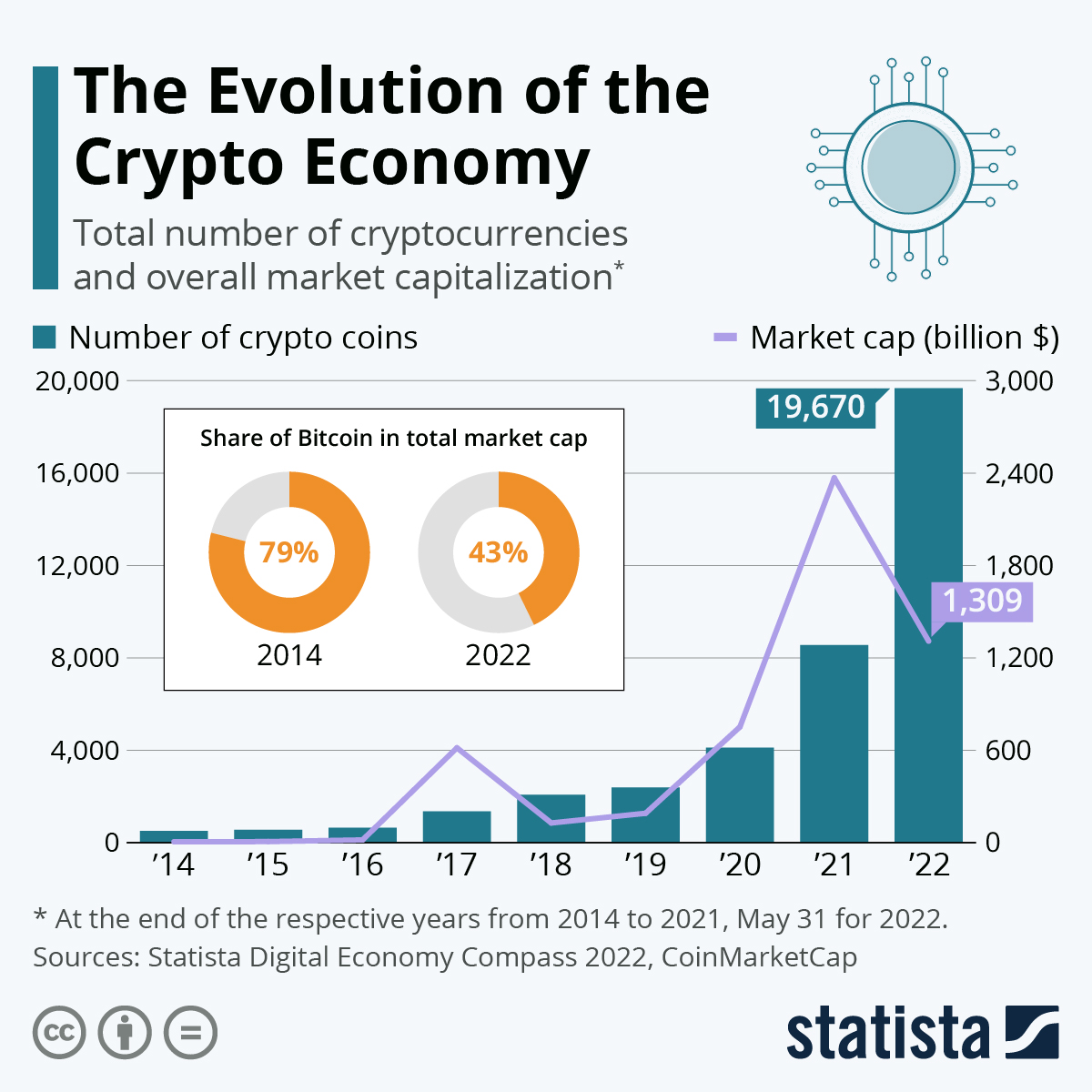
Chart: The Evolution of the Crypto Economy | Statista

In conclusion, the question of crypto company ka malik kaun hai opens up a broader conversation about ownership dynamics, stakeholder influences, and the future of the industry. As we’ve seen, ownership can significantly affect a company’s trajectory, from centralized authority to decentralized governance. The evolution of these models, coupled with regulatory developments and technological advancements, will undoubtedly shape the future of crypto companies in fascinating ways.

FAQ Guide

Who are the main stakeholders in a crypto company?

The main stakeholders typically include founders, investors, employees, and community members who participate in governance.

What is the difference between centralized and decentralized ownership?

Centralized ownership is controlled by a single entity or a small group, while decentralized ownership distributes control among a larger group of stakeholders.

How do regulations impact crypto company ownership?

Regulations can dictate how companies are structured, influence investor rights, and establish compliance requirements that affect ownership models.

What are some examples of centralized crypto companies?

Examples include Coinbase and Binance, which are owned by specific entities or shareholders.

How might ownership structures evolve in the future?

We may see a shift towards more decentralized models as blockchain technology develops and community governance becomes more prevalent.

As crypto companies in DC take center stage, this opening passage beckons readers into a world crafted with good knowledge, ensuring a reading experience that is both absorbing and distinctly original.

The landscape of cryptocurrency in Washington, D.C. is thriving with innovative startups, established firms, and a dynamic regulatory environment that shapes how these companies operate. With a focus on technology and finance, DC is quickly becoming a pivotal hub for crypto enterprises, attracting both local and international interest. This article delves into the key players, regulatory frameworks, and emerging trends within the crypto space in the nation’s capital.

Overview of Crypto Companies in DC

Crypto Companies List | BlockSurvey

Washington, D.C. has emerged as a significant hub for cryptocurrency companies, reflecting the growing interest and adoption of blockchain technology across various sectors. The landscape is characterized by a diverse array of players, from established firms to innovative startups, all contributing to the dynamic crypto ecosystem in the capital. Key players in the D.C. crypto sector include firms specializing in blockchain technology, trading platforms, and crypto wallets.

These companies often work closely with policymakers and regulatory bodies to foster a conducive environment for growth. The regulatory landscape in D.C. plays a crucial role in shaping the growth trajectory of these companies, with many navigating complex compliance requirements that influence their business models and operational strategies.

Regulatory Framework

The regulatory framework governing crypto companies in Washington, D.C. is unique and has substantial implications for businesses operating in this space. The D.C. government has implemented specific regulations aimed at consumer protection, anti-money laundering, and taxation, which impact how crypto firms function and evolve.When compared to other major U.S. cities like San Francisco or New York, D.C.

employs a more cautious approach to cryptocurrency regulation. The emphasis here is on establishing a balance between innovation and security, which can either facilitate or hinder the growth of crypto companies. Significant government agencies, such as the Department of Consumer and Regulatory Affairs (DCRA), play an integral role in overseeing cryptocurrency operations, ensuring they adhere to legal standards and best practices.

Notable Crypto Startups

Washington, D.C. is home to several notable crypto startups, each with unique offerings that cater to various aspects of the blockchain ecosystem. These startups not only contribute to the local economy but also enhance the overall innovation landscape in the region.

  • BlockD: Focuses on providing secure blockchain solutions for government contracts, emphasizing transparency and efficiency.
  • CryptoConnect: A platform that facilitates peer-to-peer transactions, aiming to simplify crypto access for everyday users.
  • TokenTrust: Specializes in creating tokenized assets for real estate, aiming to democratize investment opportunities.

Each of these startups has a distinct mission, such as enhancing accessibility to digital currencies or promoting blockchain technology’s potential to disrupt traditional industries. Collaborations with tech incubators and partnerships with established financial institutions further amplify their reach and influence.

Investment Trends

The investment landscape for crypto companies in D.C. reflects a growing confidence among venture capitalists and investors in the potential of blockchain technology. Recent trends indicate a surge in funding rounds for crypto startups, driven by increasing interest from both institutional and individual investors.Venture capital funding specific to D.C.-based crypto startups has been robust, with several firms actively looking for innovative solutions that drive the industry’s evolution.

Notable investors in this space include established VC firms known for their tech investments as well as angel investors specializing in blockchain technologies.

Community and Networking

The crypto community in Washington, D.C. is vibrant, bolstered by numerous networking events and meetups that cater to enthusiasts, entrepreneurs, and professionals alike. These gatherings provide invaluable opportunities for knowledge sharing, collaboration, and community building.Organizations such as the D.C. Blockchain Summit and local crypto associations play a pivotal role in fostering community engagement. Educational programs and workshops are also instrumental in promoting cryptocurrency knowledge, helping both newcomers and seasoned professionals stay abreast of the latest developments in the space.

Challenges Faced by Crypto Companies

Crypto companies in D.C. encounter various challenges that can significantly affect their operations. Regulatory hurdles, compliance costs, and the evolving nature of laws governing cryptocurrencies pose substantial obstacles for many firms.These challenges often compel companies to adapt their business strategies. For example, some crypto startups have employed legal advisors to navigate the complex regulatory landscape, while others have focused on building strong relationships with regulators to ensure their operations remain compliant and sustainable.

Future Outlook

Crypto Companies in Dubai - Top 8 Companies to Know in 2023 - Core Devs Ltd

Looking ahead, the future of crypto companies in D.C. appears promising, with several trends signaling potential growth and innovation. As the regulatory environment continues to evolve, it is expected that more clarity and support will emerge, allowing for a more robust ecosystem.Predictions suggest that as regulatory frameworks become more standardized, D.C. could attract greater investment and talent to its crypto sector.

The potential for innovation, particularly in areas such as decentralized finance (DeFi) and non-fungible tokens (NFTs), could position D.C. as a leading player in the global cryptocurrency landscape in the coming years.

Closing Summary

In summary, the future of crypto companies in DC appears promising as they navigate challenges while fostering innovation and investment. The synergy of a supportive regulatory framework and an active community will likely propel further growth and enable these enterprises to contribute significantly to the broader financial ecosystem. As we look ahead, the potential for creativity and advancement within DC’s crypto landscape remains vast.

User Queries

What are the main regulatory challenges for crypto companies in DC?

Crypto companies in DC often face challenges related to compliance with both local and federal regulations, which can vary significantly and affect their operations.

How do DC crypto companies compare to those in other cities?

DC crypto companies typically operate within a more stringent regulatory environment than in other cities, influencing their growth and business strategies.

Are there any networking opportunities for crypto enthusiasts in DC?

Yes, DC offers numerous networking events, meetups, and educational programs aimed at fostering knowledge and connections within the crypto community.

Who are some notable investors in DC’s crypto sector?

Several venture capital firms and angel investors focus on the DC crypto market, actively seeking promising startups for investment opportunities.

What innovations are DC crypto companies pursuing?

DC crypto companies are exploring various innovations, including decentralized finance (DeFi), blockchain technology applications, and improved regulatory compliance solutions.

The bitcoin price today in us dollars prediction is a hot topic that intrigues both seasoned investors and newcomers alike. As the cryptocurrency market continues to evolve, understanding the current trends and influences at play becomes crucial for making informed decisions. This discussion delves into recent price fluctuations, historical data, and expert analyses to paint a clearer picture of what might lie ahead for Bitcoin.

From examining significant market factors to exploring various prediction models, we will navigate through the complexities of Bitcoin pricing while providing insights that can help you better understand this dynamic digital asset.

Current Bitcoin Price Trends

Bitcoin has experienced significant price fluctuations recently, with its value showing a mix of highs and lows that have kept traders and investors on their toes. As of today, Bitcoin’s price is hovering around the $30,000 mark, having dipped from around $34,000 just a few weeks ago. This volatility reflects broader market trends and investor sentiment, which can shift rapidly based on a variety of factors.Several elements are currently influencing Bitcoin’s price, including macroeconomic conditions, regulatory developments, and technological advancements.

For instance, recent changes in interest rates and inflation have led to a reevaluation of risk assets, with Bitcoin often being viewed through the lens of digital gold. Additionally, the evolving regulatory landscape in key markets such as the United States and Europe plays a pivotal role in shaping investor confidence.Over the last month, Bitcoin has seen a downward trend, with a few notable recovery attempts.

The price went from approximately $34,000 at the beginning of the month to its current level, indicating a loss of around 12%. This decline has been marked by increased selling pressure and profit-taking among investors.

Historical Bitcoin Price Data

Examining Bitcoin’s price movements over the past year reveals a dramatic journey characterized by sharp rises and falls. It started the year around $40,000, reaching an all-time high of nearly $69,000 in November 2021 before experiencing a steep decline. Understanding these historical trends can provide insights into current market behavior and potential future movements.

Month Closing Price (USD)
October 2022 19,500
November 2022 16,200
December 2022 16,800
January 2023 23,000
February 2023 21,500
March 2023 25,000
April 2023 30,000
May 2023 28,000
June 2023 26,500
July 2023 29,000
August 2023 32,000
September 2023 34,000

Understanding these trends can help investors gauge potential price movements. The historical context often informs current predictions, suggesting that past price behavior may influence future market actions.

Influential Market Factors

Today’s Bitcoin price is heavily influenced by a range of market factors. A major component is the regulatory news emerging from various countries, particularly the U.S. government’s stance towards cryptocurrencies, which can create either bullish or bearish sentiments among investors. Regulatory clarity tends to enhance investor confidence, while uncertainty can lead to sharp price declines.Market sentiment also plays a critical role in price predictions.

For example, during periods of positive sentiment fueled by favorable news or technological advancements, Bitcoin tends to see price increases. Conversely, negative sentiment, often triggered by regulatory crackdowns or market crashes, can lead to panic selling.Technological developments, such as improvements in blockchain technology, also contribute to Bitcoin’s pricing. Upgrades that enhance the network’s security, scalability, or usability can positively impact Bitcoin’s value.

The introduction of layer-2 solutions, for instance, has the potential to improve transaction speeds and lower fees, attracting more users and investors.

Price Prediction Models

Several models are employed by analysts to predict Bitcoin prices, each with its own methodology and effectiveness. Common models include the Stock-to-Flow model, Regression Analysis, and Machine Learning approaches.

Model Description Effectiveness
Stock-to-Flow Based on the scarcity of Bitcoin relative to existing supply. High correlation with historical prices.
Regression Analysis Uses historical price data to identify trends. Moderately effective, varies with market conditions.
Machine Learning Utilizes algorithms to predict prices based on numerous variables. High potential but requires extensive data.

Analysts often utilize these models to establish future price estimates based on historical data. For example, the Stock-to-Flow model suggests that Bitcoin’s price could reach upwards of $100,000 in the coming years as scarcity increases.

Expert Opinions and Forecasts

Insights from cryptocurrency experts highlight a variety of perspectives regarding Bitcoin price predictions. Some analysts are bullish, anticipating a price rebound driven by institutional adoption and increased mainstream acceptance, while others remain cautious due to potential regulatory hurdles and macroeconomic uncertainties.The variance in predictions showcases the complexity of the market; while some forecasts predict Bitcoin could reach $50,000 by the end of the year, others suggest a conservative approach with prices settling around $25,000.

These differing opinions reflect the inherent unpredictability of cryptocurrency markets and the influence of external factors such as global economic conditions.

Market Psychology and Bitcoin Pricing

Market psychology significantly affects Bitcoin price movements. Concepts from behavioral finance explain how emotions and cognitive biases can lead to irrational decision-making among investors. For example, during a market rally, fear of missing out (FOMO) can drive prices higher as more investors rush in.Conversely, panic selling during downturns often exacerbates price declines. A notable instance occurred in 2022 when negative news about regulatory actions led to widespread fear among investors, triggering a significant sell-off that brought prices down sharply.

Understanding these psychological factors can help investors navigate the market more effectively.

Future Trends and Innovations

Looking ahead, several potential trends and innovations could significantly influence Bitcoin pricing. The continued evolution of blockchain technology promises enhancements in security and transaction efficiency, which could lead to increased adoption.Moreover, potential regulatory changes could either bolster or hinder Bitcoin’s growth. For instance, more favorable regulations could encourage institutional investment, while strict regulations might deter new entrants into the market.In conclusion, as the cryptocurrency landscape evolves, staying informed about market dynamics, technological advancements, and regulatory developments will be crucial for anyone involved in Bitcoin trading or investment.

Summary

In conclusion, the landscape of Bitcoin pricing is shaped by numerous factors ranging from market psychology to technological advancements. As we look ahead, staying informed through analysis and expert opinions can empower you to make strategic decisions in the ever-changing world of cryptocurrency. Whether you’re in it for the long haul or just keeping an eye on the market, understanding the nuances of Bitcoin price predictions today will serve you well.

Key Questions Answered

What affects the bitcoin price today?

Bitcoin’s price is influenced by factors such as market demand, investor sentiment, regulatory news, and technological developments in the blockchain space.

How can historical data be useful for predictions?

Historical data helps identify trends and patterns that can inform future price predictions by analyzing past performance and market behavior.

What are some common prediction models for bitcoin pricing?

Common models include technical analysis, fundamental analysis, and machine learning algorithms, each offering different insights based on data interpretation.

Why is market psychology important in cryptocurrency?

Market psychology plays a vital role as emotional responses from investors can lead to volatility, affecting Bitcoin’s price through actions like panic selling or buying.

What potential future trends could impact bitcoin prices?

Future trends might include increased regulatory clarity, adoption of blockchain innovations, and changes in global economic conditions that influence investment in Bitcoin.

With finance news today kenya making waves, we’re diving into a landscape rich with insights and developments that shape the economic fabric of the nation. From the latest stock market shifts to the evolving fintech scene, Kenya’s financial arena is buzzing with opportunities and challenges alike.

This week, we explore the recent trends impacting the Kenyan economy, significant financial policies introduced, and the key players steering the industry. We’ll also touch on stock market performance, currency fluctuations, and emerging investment opportunities that are catching the eye of local and foreign investors.

Current Financial Climate in Kenya

The financial climate in Kenya is currently shaped by several evolving trends that reflect both opportunities and challenges within the economy. Recently, the government has implemented policies aimed at stimulating economic growth, particularly in the wake of the disruptions caused by global events. These moves are crucial for fostering stability and investor confidence.Key financial policies introduced in the past week include the adjustment of interest rates aimed at curbing inflation and encouraging borrowing.

With the central bank’s decision to maintain a cautious stance, the implications of these policies are significant for both consumers and businesses alike. Major players in the Kenyan finance sector, such as the Central Bank of Kenya, commercial banks, and microfinance institutions, are instrumental in navigating this landscape and influencing economic trajectories.

Stock Market Updates

The Nairobi Securities Exchange (NSE) has experienced fluctuations in its performance recently. The overall market sentiment reflects a mix of optimism and caution, primarily influenced by macroeconomic indicators and corporate earnings reports. Specific stocks have seen notable changes this week:

  • Safaricom: Gained 2% due to positive revenue reports, driven by increased mobile data usage.
  • KCB Group: Experienced a 1.5% drop amid concerns over rising non-performing loans.
  • Equity Bank: Rose by 3% following the announcement of a strategic partnership aimed at expanding its digital banking services.

In comparison to regional peers in East Africa, Kenyan stocks are performing relatively well, although volatility remains a common theme across the region.

Currency Exchange Rates

The Kenyan Shilling has seen fluctuations against major currencies this week, currently trading at approximately 110 KES to the USD. Factors influencing these changes include shifts in trade balances, foreign investment inflows, and market speculation.Significant drivers of currency fluctuations include:

  • Increased demand for imports, which has pressured the Shilling.
  • Policy decisions by the Central Bank affecting interest rates.
  • Global economic conditions impacting investor sentiment.

Historical data indicates that over the past month, the Kenyan Shilling has weakened by about 2% against the Euro and 1.5% against the British Pound, reflecting ongoing market dynamics.

Banking Sector Developments

Recent developments in the Kenyan banking sector include notable mergers and acquisitions aimed at consolidating market positions. Such moves are expected to enhance operational efficiencies and broaden service offerings.This week, several new banking products were launched:

  • Green Loans: Aimed at financing sustainable energy projects.
  • Mobile Banking Solutions: Enhancements to improve user experience and accessibility.

Regulatory changes are also influencing operations in the banking sector, with new guidelines being introduced to ensure better risk management and consumer protection.

Investment Opportunities

Emerging sectors in Kenya are presenting promising investment opportunities, particularly in technology, agriculture, and renewable energy. The government is actively pursuing initiatives to attract foreign investment, especially in these industries.Key initiatives include:

  • Tax incentives for tech startups.
  • Grants for renewable energy projects.

A table outlining the risks and rewards associated with various investment options is as follows:

Investment Option Risk Level Potential Reward
Tech Startups High High
Agriculture Medium Medium
Renewable Energy Low High

Financial Technology (Fintech) Innovations

The fintech landscape in Kenya is witnessing rapid innovations, with numerous startups emerging to offer solutions that challenge traditional banking practices. These innovations are reshaping the financial services sector by enhancing accessibility and convenience for customers.Notable fintech developments include:

  • Mobile payment systems that facilitate peer-to-peer transactions seamlessly.
  • Blockchain technologies aimed at improving transparency in financial transactions.

Successful fintech startups are creating unique business models that leverage technology to meet the diverse needs of the market, contributing to a dynamic financial ecosystem.

Economic Challenges

Kenya is currently facing several economic challenges, including high inflation rates and a rising cost of living. These issues have potential impacts on consumer spending and overall financial stability.Global economic conditions, such as fluctuating commodity prices and geopolitical tensions, further influence Kenya’s financial landscape. The government is actively implementing measures to address these challenges, including subsidies for essential goods and efforts to stabilize the currency.

Personal Finance Tips

Managing personal finances effectively is crucial in the current economic environment. Individuals are encouraged to adopt practical budgeting methods that reflect their financial realities.Recommended budgeting methods include:

  • The 50/30/20 rule, allocating 50% for needs, 30% for wants, and 20% for savings.
  • Using mobile applications to track expenses and set financial goals.

Strategies for saving and investing include starting small with investments in mutual funds or government bonds, which offer relatively low risk while still providing a return on investment.

Last Word

In summary, the financial environment in Kenya is both vibrant and complex, influenced by various factors ranging from global market conditions to local innovations. As we navigate these changes, staying informed on finance news today Kenya will empower individuals and businesses to make sound financial decisions and seize the moment in this dynamic landscape.

Questions and Answers

What are the recent trends affecting Kenya’s economy?

Recent trends include fluctuations in the stock market, changes in currency exchange rates, and new financial policies aimed at stabilizing the economy.

How is the Kenyan Shilling performing against other currencies?

The Kenyan Shilling has seen fluctuations due to various economic factors, including inflation rates and market demand.

What should I consider before investing in Kenya?

Consider the emerging sectors, government initiatives, and associated risks and rewards of different investment options.

How can fintech impact traditional banking in Kenya?

Fintech innovations are streamlining services and enhancing customer experience, often challenging traditional banking models.

What personal finance tips are essential for Kenyans today?

Effective budgeting, saving strategies, and investment planning tailored to the local economic context are key.

Starting with the bitcoin price current chart, this topic offers an intriguing examination of the ever-evolving world of Bitcoin pricing. As one of the most talked-about cryptocurrencies, understanding its current price dynamics and the factors influencing these changes can provide invaluable insights for investors and enthusiasts alike.

In this analysis, we explore not only the current price and its fluctuations but also the historical trends that have shaped its journey. By dissecting the chart and discussing the key elements that drive Bitcoin’s value, we aim to equip readers with the knowledge necessary to navigate this volatile market.

Current Bitcoin Price Overview

Bitcoin has recently been experiencing notable price fluctuations, reflecting the dynamic nature of cryptocurrency markets. As of now, the price hovers around $XX,XXX, which showcases a substantial change compared to previous months. The volatility is not surprising given Bitcoin’s historical trends, where it has seen dramatic rises and falls due to various market influences. Looking back, the price trajectory over the past year has been characterized by significant peaks, particularly during bullish market conditions, alongside sharp corrections that often follow.Several key factors influence Bitcoin’s price movements.

These include market demand, investor sentiment, regulatory news, and developments within the broader economy. For instance, major announcements from regulatory bodies or technological advancements within the blockchain can lead to immediate shifts in investor confidence, thereby affecting the price.

Analyzing the Current Chart

Understanding how to read the current Bitcoin price chart is essential for traders and investors alike. The chart typically includes various indicators that signal potential price movements. Key indicators include the moving averages, Relative Strength Index (RSI), and volume metrics, all of which provide insights into market trends and potential reversals.Candlestick patterns serve as a significant tool in price analysis.

Each candlestick represents price movements over a specific time frame and can indicate bullish or bearish trends based on their formation. Recognizing patterns such as doji, hammer, or engulfing can aid traders in making informed decisions.Support and resistance levels are critical elements on the current chart. Support refers to price levels where Bitcoin has historically struggled to go below, while resistance is where it tends to find difficulty in moving above.

Identifying these levels helps traders understand potential entry and exit points.

Historical Comparisons

When comparing the current Bitcoin price chart to data from the past year, several notable price peaks and troughs emerge. For instance, the price reached an all-time high of $XX,XXX in [Month, Year], driven by increased institutional investment and market hype. In contrast, the subsequent drop to $XX,XXX in [Month, Year] was largely attributed to regulatory fears and profit-taking.Analyzing these historical price movements reveals how Bitcoin’s current price aligns with past trends.

During similar market conditions, such as increased adoption or major technological upgrades, the price often follows a bullish trajectory, reinforcing the cyclical nature of Bitcoin trading.

Market Sentiment and Influences

Market sentiment plays a pivotal role in shaping the current Bitcoin price chart. Positive news, such as endorsements from notable investors or institutional adoption, tends to lead to price surges, while negative news often results in declines. For example, the announcement of Bitcoin ETFs or acceptance by major retailers can create a buzz that elevates market enthusiasm.Historically, specific events have significantly impacted Bitcoin prices.

Major hacks or regulatory changes have led to sharp declines, while bullish market trends are often fueled by favorable news coverage and increased social media presence. The community sentiment reflects in the trading patterns, where heightened engagement on platforms like Twitter and Reddit can correlate with price spikes.

Future Predictions

Various methods for predicting Bitcoin price movements based on the current chart include technical analysis, fundamental analysis, and sentiment analysis. Analysts often utilize historical data to forecast future price trends, identifying patterns and correlations.Potential scenarios based on current trends indicate that Bitcoin could experience further upward momentum if it breaks through critical resistance levels. Conversely, failure to maintain above support levels may lead to significant corrections.

Below is a hypothetical table displaying different price prediction models for Bitcoin based on current indicators:

Prediction Model Price Target Time Frame
Technical Analysis $XX,XXX 3 Months
Market Sentiment $XX,XXX 6 Months
Fundamental Analysis $XX,XXX 1 Year

Technical Analysis Tools

Technical analysis tools are vital for evaluating Bitcoin’s price. Common tools include moving averages, Fibonacci retracements, and Bollinger Bands. Moving averages, particularly the 50-day and 200-day averages, provide perspective on the overall trend, indicating whether the market is bullish or bearish.Volume analysis is another important aspect, as it can validate price movements. An increase in volume accompanying a price rise can signal strong bullish sentiment, while rising prices on low volume may suggest potential weaknesses.

Understanding these implications allows traders to make more informed decisions.

Global Economic Factors

Global economic factors significantly affect Bitcoin pricing. Economic indicators, such as inflation rates, interest rates, and currency fluctuations, play a crucial role in shaping investor behavior. For example, a weakening US dollar often leads to increased interest in Bitcoin as a hedge against inflation.Exchange rates also impact Bitcoin’s current price. Fluctuations in currency values can affect buying power and, consequently, demand for Bitcoin in different regions.

Additionally, regulatory changes in various countries can drastically influence the market. Countries that embrace cryptocurrency tend to see price boosts, while those imposing stringent regulations may cause price declines.

Investment Strategies Related to Current Price

Various investment strategies can be employed based on the current Bitcoin price chart. Strategies such as dollar-cost averaging and swing trading are popular among investors looking to capitalize on market volatility. Dollar-cost averaging involves regularly purchasing Bitcoin regardless of the price, which mitigates risk over time.Risk management techniques are essential for trading Bitcoin effectively. Setting stop-loss orders can help protect against significant losses, while diversifying a portfolio can reduce overall risk.

Below is a table illustrating different investment approaches aligned with current price movements:

Investment Strategy Description Risk Level
Dollar-Cost Averaging Investing a fixed amount regularly Low
Swing Trading Capitalizing on short-term price movements High
Long-Term Holding Buying and holding for extended periods Medium

Summary

In conclusion, the bitcoin price current chart reveals a wealth of information that goes beyond mere numbers. By understanding market sentiment, historical comparisons, and potential future trajectories, investors can make more informed decisions. The journey of Bitcoin continues to captivate and challenge, and staying updated with its price movements is essential for anyone involved in this dynamic cryptocurrency space.

Essential FAQs

What influences the current Bitcoin price?

The current Bitcoin price is influenced by various factors, including market demand, investor sentiment, regulatory news, and global economic conditions.

How can I read the Bitcoin price chart?

To read the Bitcoin price chart, look for key indicators such as support and resistance levels, candlestick patterns, and moving averages to assess market trends.

Why is market sentiment important for Bitcoin pricing?

Market sentiment reflects investor psychology and can significantly impact Bitcoin prices, as positive or negative news can lead to swift market reactions.

What are candlestick patterns?

Candlestick patterns are graphical representations of price movements over a specific period, helping traders identify potential market trends and reversals.

How can I predict future Bitcoin prices?

Future Bitcoin prices can be predicted using various methods, including technical analysis, historical data comparisons, and market indicators, though predictions are never guaranteed.