April 19, 2026

Cryptocurrency

Kicking off with bitcoin price quote today, it’s essential for investors to stay updated with the latest figures and trends, as Bitcoin remains a volatile asset. Understanding today’s price isn’t just about numbers; it’s a reflection of market sentiment, global events, and the crypto landscape that shapes our financial future.

From real-time pricing to historical comparisons and future predictions, grasping the nuances behind Bitcoin’s value can empower investors to make informed decisions. Let’s dive into the current price, the factors at play, and what the future may hold for this digital currency.

Current Bitcoin Price Overview

As of today, the price of Bitcoin stands at approximately $X,XXX.XX. This real-time pricing is crucial for investors who are keen on entering or exiting the market at the right moment. The significance of monitoring Bitcoin’s price in real-time cannot be overstated, as it allows investors to make informed decisions based on market movements.Several factors influence current Bitcoin prices, including market demand and supply dynamics, regulatory news, technological advancements, and macroeconomic indicators.

Variables such as investor sentiment and global economic conditions also play a pivotal role in determining Bitcoin’s value.

Historical Price Comparison

Over the past month, Bitcoin has seen varied price trends, fluctuating between $X,XXX.XX and $Y,YYY.YY. Comparing today’s Bitcoin price with historical averages reveals that it is currently above/below the past month’s average price of $Z,ZZZ.ZZ. Notable price fluctuations included sharp declines and recoveries driven by significant news events, such as regulatory announcements or major market shifts.

Technical Analysis

Key technical indicators for Bitcoin analysis include the Moving Average (MA), Relative Strength Index (RSI), and Fibonacci retracement levels. These indicators help traders assess potential price movements and identify entry or exit points.

Indicator Resistance Level Support Level
MA (50) $X,XXX.XX $Y,YYY.YY
RSI 70+ 30-

Common patterns observed in Bitcoin price movements include head and shoulders, double tops, and breakouts, which traders often utilize to predict future price actions.

Market Sentiment Analysis

Current market sentiment surrounding Bitcoin appears to be cautiously optimistic, with many investors eager to capitalize on potential upward trends. News events, such as institutional adoption or regulatory changes, significantly affect Bitcoin prices, causing market reactions that can lead to volatility.Popular social media platforms and forums where Bitcoin discussions occur include Twitter, Reddit, and dedicated cryptocurrency forums like Bitcointalk. These platforms serve as hotspots for sharing insights, news, and strategies among traders and enthusiasts.

Future Price Predictions

Expert opinions on Bitcoin price predictions for the coming weeks vary widely, with some analysts projecting a bullish trend while others foresee potential corrections.

Analyst Forecast Price Timeframe
Analyst A $X,XXX.XX 2 weeks
Analyst B $Y,YYY.YY 1 month

Methodologies used in these price predictions range from technical analysis to fundamental assessments, taking into account market trends, trading volumes, and historical data.

Investment Strategies

Various investment strategies tailored for Bitcoin today include dollar-cost averaging, swing trading, and long-term holding. For new investors looking to enter the Bitcoin market, it’s essential to have a clear strategy and adhere to risk management principles.Tips for new investors comprise conducting thorough research, leveraging tools like price tracking apps and cryptocurrency exchanges, and staying updated on market news. Resources such as CoinMarketCap and Binance provide valuable insights into Bitcoin’s price movements.

Regulatory Impact

Regulatory news significantly impacts Bitcoin pricing. Regulatory developments can either enhance market confidence or lead to sudden price drops depending on their perceived implications for the market.

Country Regulation Impact
USA Proposed taxation on crypto transactions Potential decrease in trading volume
EU New guidelines for crypto exchanges Increased legitimacy and investor trust

The implications of potential regulations on future Bitcoin prices could lead to increased volatility as the market reacts to the changing landscape of cryptocurrency regulation.

Concluding Remarks

In summary, monitoring the bitcoin price quote today offers valuable insights into market dynamics and potential investment opportunities. With the right understanding of historical trends, technical analysis, and regulatory impacts, investors can better navigate the complexities of Bitcoin and enhance their strategies moving forward.

Top FAQs

What is the current bitcoin price?

The current bitcoin price can fluctuate frequently; please check a reliable financial news website or cryptocurrency exchange for the most accurate figure.

How do I invest in bitcoin?

Investing in bitcoin typically involves signing up for a cryptocurrency exchange, verifying your identity, and buying bitcoin using fiat currency or another cryptocurrency.

What factors can cause bitcoin price fluctuations?

Bitcoin price fluctuations can be influenced by market demand, news events, regulatory changes, and macroeconomic factors.

Is bitcoin a good long-term investment?

Bitcoin’s potential as a long-term investment varies based on individual risk tolerance and market outlook. Always conduct thorough research before investing.

How often does bitcoin price change?

Bitcoin price can change multiple times within a single day due to its volatile nature and active trading across global exchanges.

Welcome to the world of xrp coinspot, where the intersection of innovation and finance creates an exciting opportunity for crypto enthusiasts. If you’re curious about XRP and how it operates within the broader cryptocurrency landscape, you’ve come to the right place.

XRP CoinSpot stands out for its user-friendly interface and robust security measures, making it a popular choice among both newcomers and seasoned traders. Here, we’ll delve into its features, how to purchase XRP, and the advantages of trading on CoinSpot.

Overview of XRP CoinSpot

Xrp Coin

XRP CoinSpot is a prominent cryptocurrency supported by the CoinSpot exchange. It is designed primarily for facilitating fast and cost-effective cross-border transactions. As one of the leading digital assets in the cryptocurrency ecosystem, XRP plays a critical role in enhancing the efficiency of payment systems globally. Understanding the development of XRP CoinSpot provides insights into its significance in the evolving landscape of cryptocurrency.XRP was initially launched in 2012 by Ripple Labs, aimed at creating a decentralized digital currency for remittances and payments.

Over the years, XRP has gained traction due to its unique consensus protocol, which allows faster transaction speeds compared to traditional cryptocurrencies like Bitcoin. This historical context is crucial for grasping how XRP CoinSpot has evolved and its position in the market today.

How to Buy XRP on CoinSpot

Purchasing XRP on CoinSpot is a seamless process, especially for those new to cryptocurrency trading. To buy XRP, users must follow a step-by-step approach that ensures a smooth experience.

  • Create an account on CoinSpot by providing the necessary personal information and completing identity verification.
  • Once your account is verified, navigate to the ‘Buy/Sell’ section and select XRP.
  • Enter the amount of XRP you wish to purchase and choose your preferred payment method.
  • Confirm your transaction details and finalize the purchase.

For beginners, it’s essential to set up your CoinSpot account with accurate details to avoid any complications. CoinSpot accepts multiple payment methods, including bank transfers, credit/debit cards, and POLi payments, making it convenient for users to fund their accounts.

Security Measures for XRP on CoinSpot

CoinSpot prioritizes the security of its users, especially in handling XRP transactions. The platform implements several security features to safeguard digital assets.

  • Two-factor authentication (2FA) is mandatory, adding an extra layer of security during the login process.
  • Cold storage solutions are utilized to keep the majority of user funds offline, reducing the risk of hacking.
  • Regular security audits are conducted to identify and mitigate potential vulnerabilities.

To further protect your XRP assets, users should adopt best practices such as using strong passwords and keeping their account credentials confidential. Additionally, CoinSpot offers insurance policies for digital assets, providing users with peace of mind.

Trading XRP on CoinSpot

Initiating an XRP trade on CoinSpot is straightforward. Users can access the trading interface directly from their account dashboard. The trading options available for XRP include spot trading, where users buy and sell XRP at current market prices, and limit orders, allowing them to set specific prices at which they want to buy or sell.When comparing trading fees, CoinSpot’s fees for XRP transactions are competitive relative to other platforms, making it an attractive choice for traders.

Users should be aware of the fee structure, as it can impact overall profitability when trading.

CoinSpot Mobile App for XRP Transactions

The CoinSpot mobile app enhances the user experience by providing a convenient platform for managing XRP transactions on the go. The app features a user-friendly interface that allows easy access to account information, trading options, and market updates.To download and set up the CoinSpot app, users can visit their respective app stores and search for “CoinSpot.” Once downloaded, users simply need to log in with their existing accounts or create a new one.Using the mobile app for XRP trading offers several advantages, including real-time market data, instant notifications for price changes, and the ability to trade from anywhere, making it a valuable tool for active traders.

XRP CoinSpot Market Trends

Current market trends heavily influence XRP’s performance on CoinSpot. Recently, XRP has experienced notable price movements due to various market factors, including regulatory news and partnerships.Traders should analyze these price movements to understand their implications better. Market sentiment, trading volume, and external economic factors all contribute to the fluctuations in XRP’s value on CoinSpot.Key factors influencing XRP’s market performance include technological advancements within the Ripple network, adoption by financial institutions, and overall market sentiment toward cryptocurrencies.

Community and Support for XRP on CoinSpot

CoinSpot offers a wealth of resources for XRP users, including educational materials, market analysis, and community insights. Users can access these resources directly through the platform to enhance their trading knowledge.Engagement with the CoinSpot community can provide valuable insights into XRP trends and trading strategies. Users can participate in forums and social media groups dedicated to XRP discussions.For any issues related to XRP on CoinSpot, the platform provides a robust support system.

Users can reach out to customer support via email or live chat, ensuring that assistance is readily available when needed.

Wrap-Up

COINTURK NEWS - Bitcoin, Blockchain and Cryptocurrency News and Analysis

In conclusion, navigating the xrp coinspot landscape opens doors to a plethora of investment opportunities within the cryptocurrency realm. With the right knowledge and tools, you can confidently engage in trading and leverage the benefits CoinSpot has to offer.

Essential FAQs

What is XRP CoinSpot?

XRP CoinSpot is a cryptocurrency trading platform where users can buy, sell, and manage XRP with ease.

How do I create a CoinSpot account?

You can create a CoinSpot account by visiting their website and following the registration process, which includes providing your email and verifying your identity.

What payment methods does CoinSpot accept for XRP?

CoinSpot accepts various payment methods, including bank transfers, credit cards, and PayPal, for purchasing XRP.

Are my funds safe on CoinSpot?

Yes, CoinSpot implements strong security measures, including two-factor authentication and insurance policies for digital assets, to protect user funds.

Can I trade XRP on the CoinSpot mobile app?

Absolutely! The CoinSpot mobile app allows you to buy, sell, and manage your XRP conveniently on the go.

As the crypto company owner takes center stage, this opening passage beckons readers into a world rich with knowledge, ensuring an engaging reading experience that is both informative and fresh.

In today’s rapidly evolving financial landscape, crypto company owners play a pivotal role in the burgeoning cryptocurrency market. Their responsibilities encompass a diverse range of duties, from overseeing operations and ensuring regulatory compliance to effectively managing financial resources and embracing technological innovations. As digital currencies continue to gain traction, understanding the intricacies of this role is more crucial than ever.

Role of a Crypto Company Owner

The role of a crypto company owner is multifaceted and requires a unique blend of skills and responsibilities. As the leader of a cryptocurrency venture, one must navigate a rapidly evolving landscape filled with opportunities and challenges. This position not only involves strategic decision-making but also understanding the intricate dynamics of the blockchain and cryptocurrency markets.

Responsibilities and Duties

A crypto company owner is responsible for overseeing the entire business operation, which includes but is not limited to:

  • Creating a business strategy that aligns with market trends.
  • Managing financial aspects such as budgeting and forecasting.
  • Ensuring compliance with regulatory requirements.
  • Building and leading a team of skilled professionals.
  • Engaging with the community and stakeholders to promote the brand.

Key Skills Required

Successful crypto company owners possess a combination of technical and business management skills. These include:

  • A deep understanding of blockchain technology.
  • Strong analytical skills for market analysis.
  • Excellent leadership and communication abilities.
  • Financial acumen to manage investments and expenditures.
  • Problem-solving skills to navigate the complexities of the industry.

Challenges Faced

Operating in the cryptocurrency market presents several challenges for owners, such as:

  • Dealing with volatile market conditions.
  • Maintaining security against cyber threats.
  • Navigating a complex regulatory environment.
  • Building trust and credibility in a skeptical market.
  • Attracting and retaining talent in a competitive landscape.

Starting a Crypto Company

Launching a cryptocurrency business requires careful planning and execution. From conceptualization to establishment, the process is intricate and demands thorough understanding of the market environment.

Steps to Establish a Cryptocurrency Business

The journey of starting a crypto company entails several key steps:

  • Conducting market research to identify opportunities.
  • Developing a business plan outlining goals and strategies.
  • Choosing a suitable business structure (LLC, corporation, etc.).
  • Registering the business and acquiring necessary permits.
  • Building a minimum viable product (MVP) to test the market.

Legal Considerations

Navigating the legal landscape is crucial for any crypto startup. Important considerations include:

  • Understanding local and international regulations.
  • Ensuring compliance with anti-money laundering (AML) and know your customer (KYC) laws.
  • Consulting with legal experts specializing in cryptocurrency law.
  • Drafting clear terms of service and privacy policies.

Securing Funding

Crypto Confidence Soars After CEO Defrauds Customers Just Like Real Bank

Funding a crypto startup can be challenging but is essential for growth. Possible strategies include:

  • Seeking venture capital investments.
  • Exploring initial coin offerings (ICOs) to raise capital.
  • Utilizing crowdfunding platforms tailored for crypto projects.
  • Building partnerships with established companies in the industry.

Business Strategies for Crypto Companies

Effective business strategies are vital for the success of crypto companies in a competitive market. Innovative approaches can help establish a strong market presence.

Marketing Strategies

Successful marketing strategies for crypto businesses often leverage digital platforms and community engagement. Examples include:

  • Utilizing social media for brand awareness and community building.
  • Creating informative content to educate potential users.
  • Engaging in influencer partnerships to reach wider audiences.
  • Implementing referral programs to incentivize user growth.

Comparing Business Strategies

While traditional strategies may focus on physical presence, crypto companies often rely on:

  • Decentralized marketing approaches leveraging peer-to-peer networks.
  • Utilizing blockchain for transparent transaction tracking.
  • Community-driven decision-making to foster loyalty.

Importance of Community Engagement

Community engagement plays a pivotal role in the success of crypto ventures. Strong communities can:

  • Provide valuable feedback on product development.
  • Enhance brand loyalty and trust.
  • Facilitate grassroots marketing through word-of-mouth.

Technology and Tools for Crypto Companies

The backbone of any crypto business is its technology infrastructure, which supports operations and enhances security.

Essential Technologies

Key technologies that support crypto business operations include:

  • Blockchain technology for secure and transparent transactions.
  • Cryptographic protocols to safeguard user data.
  • Smart contracts to automate processes.
  • Decentralized applications (dApps) that enhance user experience.

Tools for Managing Transactions

To efficiently manage crypto transactions, businesses rely on various tools, such as:

  • Cryptocurrency wallets for secure storage.
  • Exchanges for buying and selling assets.
  • Payment processors that facilitate merchant transactions.
  • Analytics tools to track performance and market trends.

Role of Blockchain Technology

Blockchain technology is central to the operations of cryptocurrency companies. Its significance includes:

  • Providing transparency in transactions.
  • Reducing costs by eliminating intermediaries.
  • Enhancing security through decentralized networks.

Financial Management for Crypto Companies

Effective financial management is crucial for the sustainability and growth of crypto businesses. Owners must develop strategies to handle unique financial challenges.

Managing Finances

In a crypto business, managing finances involves:

  • Keeping track of volatile cryptocurrency valuations.
  • Implementing sound budgeting practices.
  • Preparing for tax obligations related to crypto transactions.

Tracking and Reporting Transactions

Accurate tracking and reporting of transactions are essential for compliance and financial health. This can be achieved by:

  • Using accounting software designed for crypto businesses.
  • Maintaining detailed records of all transactions in real-time.
  • Conducting regular audits to ensure accuracy.

Importance of Accounting Software

The role of accounting software tailored for crypto businesses is significant. Key benefits include:

  • Automating transaction recording and reporting.
  • Providing tools for managing multiple currencies.
  • Ensuring compliance with financial regulations.

Regulatory Compliance for Crypto Owners

Compliance with regulations is paramount for crypto company owners. Non-compliance can result in severe consequences for the business.

Adhering to Regulations

Crypto companies must adhere to a variety of regulations, which can include:

  • Anti-money laundering (AML) regulations.
  • Know your customer (KYC) requirements.
  • Tax compliance related to cryptocurrency transactions.

Ensuring Compliance

How the two biggest crypto billionaire CEOs proved the critics right

Steps to ensuring compliance with local and international laws involve:

  • Consulting with legal experts in cryptocurrency regulations.
  • Implementing robust compliance programs.
  • Regularly updating procedures to reflect changes in legislation.

Consequences of Non-Compliance

Failure to comply with regulations can lead to:

  • Heavy fines and penalties from regulatory bodies.
  • Legal action that could jeopardize the business.
  • Loss of trust among customers and investors.

Risk Management in the Crypto Industry

Risk management is essential in the cryptocurrency sector due to its inherent volatility and security concerns.

Risks Associated with Running a Crypto Company

The risks faced by crypto company owners include:

  • Market volatility leading to financial instability.
  • Cybersecurity threats and potential hacks.
  • Regulatory risks from changing laws.

Strategies for Mitigating Risks

To mitigate these risks, companies can employ several strategies:

  • Diversifying investments to spread risk.
  • Implementing comprehensive security protocols.
  • Staying informed about regulatory changes and adapting accordingly.

Security Measures for Protecting Assets

Protecting crypto assets involves:

  • Using hardware wallets for secure storage.
  • Implementing two-factor authentication (2FA) for user accounts.
  • Regularly updating software to patch vulnerabilities.

Future Trends in Cryptocurrency

The cryptocurrency landscape is continuously evolving, with new trends emerging that could shape its future.

Emerging Trends

Key emerging trends that may impact the crypto industry include:

  • Increased adoption of decentralized finance (DeFi) applications.
  • Growing interest in non-fungible tokens (NFTs).
  • Expansion of institutional investment in cryptocurrencies.

Opportunities for Growth

Potential opportunities for growth in the cryptocurrency market exist in:

  • Development of new blockchain technologies.
  • Expansion into emerging markets.
  • Collaborations between traditional finance and crypto sectors.

Evolution of Technology

Technology in the crypto space is poised for evolution, which may include:

  • Improved scalability solutions for blockchain networks.
  • Advancements in regulatory technology (RegTech) to aid compliance.
  • Integration of artificial intelligence (AI) for market analysis and decision-making.

Ending Remarks

In conclusion, the journey of a crypto company owner is both challenging and rewarding, filled with opportunities for growth and innovation. By understanding the key responsibilities, strategies, and tools needed to thrive in this space, aspiring owners can better navigate the complexities of the cryptocurrency landscape. As the industry evolves, staying informed and adaptable will be essential for long-term success.

FAQ Overview

What qualifications are needed to be a crypto company owner?

While there are no strict qualifications, a strong background in finance, technology, or business management can be beneficial.

How can a new crypto company secure funding?

New crypto companies often secure funding through venture capital, crowdfunding, or initial coin offerings (ICOs).

What are common challenges faced by crypto company owners?

Common challenges include regulatory compliance, market volatility, and cybersecurity risks.

How important is community engagement for a crypto company?

Community engagement is vital as it helps build trust, fosters loyalty, and drives adoption of the cryptocurrency.

What technologies are essential for operating a crypto business?

Key technologies include blockchain platforms, crypto wallets, and trading systems.

As crypto company ka malik kaun hai takes center stage, we’re diving into the intriguing world of crypto ownership. The landscape of cryptocurrency companies is rich and varied, encompassing everything from large centralized exchanges to innovative decentralized platforms, each with its unique role in the blockchain ecosystem. Understanding who owns these companies and how ownership structures are formed is essential for appreciating the dynamics of this fast-evolving industry.

In this exploration, we’ll define what constitutes a crypto company, discuss the different types that exist, and examine the ownership models that shape their governance. We’ll also take a look at key players in the field, the impact of ownership on company success, and the regulatory landscape that governs these entities, making this a comprehensive guide for anyone curious about the driving forces behind the crypto market.

Overview of Crypto Companies

Crypto companies are entities that facilitate, develop, or provide services related to cryptocurrencies and blockchain technology. They play crucial roles in the evolving financial landscape, contributing to the digitization of money and the implementation of decentralized systems. The market features various types of crypto companies, including exchanges, wallet providers, blockchain developers, and consulting firms, each offering different functions within the ecosystem.

Types of Crypto Companies

The crypto industry encompasses a diverse array of companies, which can be categorized as follows:

  • Exchanges: Platforms where users can trade cryptocurrencies, such as Coinbase and Binance.
  • Wallet Providers: Services that allow users to store, send, and receive cryptocurrencies, like Ledger and MetaMask.
  • Blockchain Development Firms: Companies that build blockchain applications or networks, such as ConsenSys.
  • Mining Companies: Entities focusing on the mining of cryptocurrencies, contributing to network security, like Bitmain.
  • Consulting Firms: Companies that advise on blockchain strategy and implementation, such as Deloitte and PwC.

These companies work together, creating a robust ecosystem that supports innovation and adoption of blockchain technology.

Ownership Structures in Crypto Companies

Cryptocurrency 3D Illustration 11064671 PNG

Ownership structures in crypto companies vary widely, reflecting the unique nature of the industry. Typically, ownership is divided among founders, investors, and sometimes the community, especially in decentralized organizations.

Centralized vs Decentralized Ownership Models

Understanding the differences in ownership models is essential for grasping how crypto companies operate:

  • Centralized Ownership: Traditional model where a few individuals or investors hold significant control, like in companies such as Binance.
  • Decentralized Ownership: More egalitarian approach where ownership is distributed among a wider group, often facilitated by token distribution, as seen in projects like Ethereum and its DAO.

This distinction impacts decision-making processes and overall governance within these companies.

Key Players in Crypto Companies

The landscape of crypto companies is shaped by various stakeholders, each playing a significant role in governance and development.

Stakeholders and Their Roles

Major stakeholders include founders, investors, community members, and employees. Each group has its influence on the company’s direction:

  • Founders: Visionaries who initiate projects and guide their strategic direction, such as Vitalik Buterin of Ethereum.
  • Investors: Individuals or entities providing capital and often influencing company decisions through board positions.
  • Community Members: Users and advocates who contribute to the ecosystem, offering feedback and support, which can shape future developments.

Leadership changes can significantly alter a company’s trajectory, affecting its overall strategy and market positioning.

Case Studies of Prominent Crypto Company Owners

Successful crypto founders have made substantial contributions to the industry, shaping its growth and innovation.

Profiles of Successful Founders

Several prominent figures stand out in the crypto space:

  • Bitcoin’s Satoshi Nakamoto: The pseudonymous creator of Bitcoin, whose vision of decentralized currency has transformed finance.
  • Changpeng Zhao: CEO of Binance, leading one of the largest crypto exchanges and influencing market trends.
  • Brian Armstrong: Co-founder of Coinbase, instrumental in bringing cryptocurrency trading to mainstream audiences.

Ownership styles vary, with some founders maintaining control through significant holdings while others adopt community-driven approaches.

Regulatory Environment Affecting Ownership

The landscape of cryptocurrency ownership is heavily influenced by regulations, which vary significantly across jurisdictions.

Global Regulatory Approaches

Different countries have adopted various laws governing ownership in the crypto sector:

  • United States: A mix of federal and state regulations, with bodies like the SEC overseeing compliance.
  • European Union: Initiatives like MiCA aim to create a unified regulatory framework for cryptocurrencies.
  • China: A restrictive approach, banning crypto trading and mining to maintain financial control.

These regulatory challenges can greatly impact the operations and strategic decisions of crypto company owners.

Future Trends in Crypto Company Ownership

The future of ownership structures in crypto companies is likely to evolve significantly as the industry matures.

Anticipated Shifts in Ownership Models

Several trends may shape the future of crypto company ownership:

  • Increased Decentralization: More projects may adopt decentralized ownership to foster community engagement and trust.
  • Integration of Emerging Technologies: Innovations like DAOs (Decentralized Autonomous Organizations) could redefine governance and ownership distribution.
  • Expansion of Regulatory Clarity: As regulations become clearer, ownership structures may adapt to comply while fostering innovation.

These trends highlight the dynamic nature of ownership in the crypto sector, reflecting broader shifts in technology and society.

Last Word

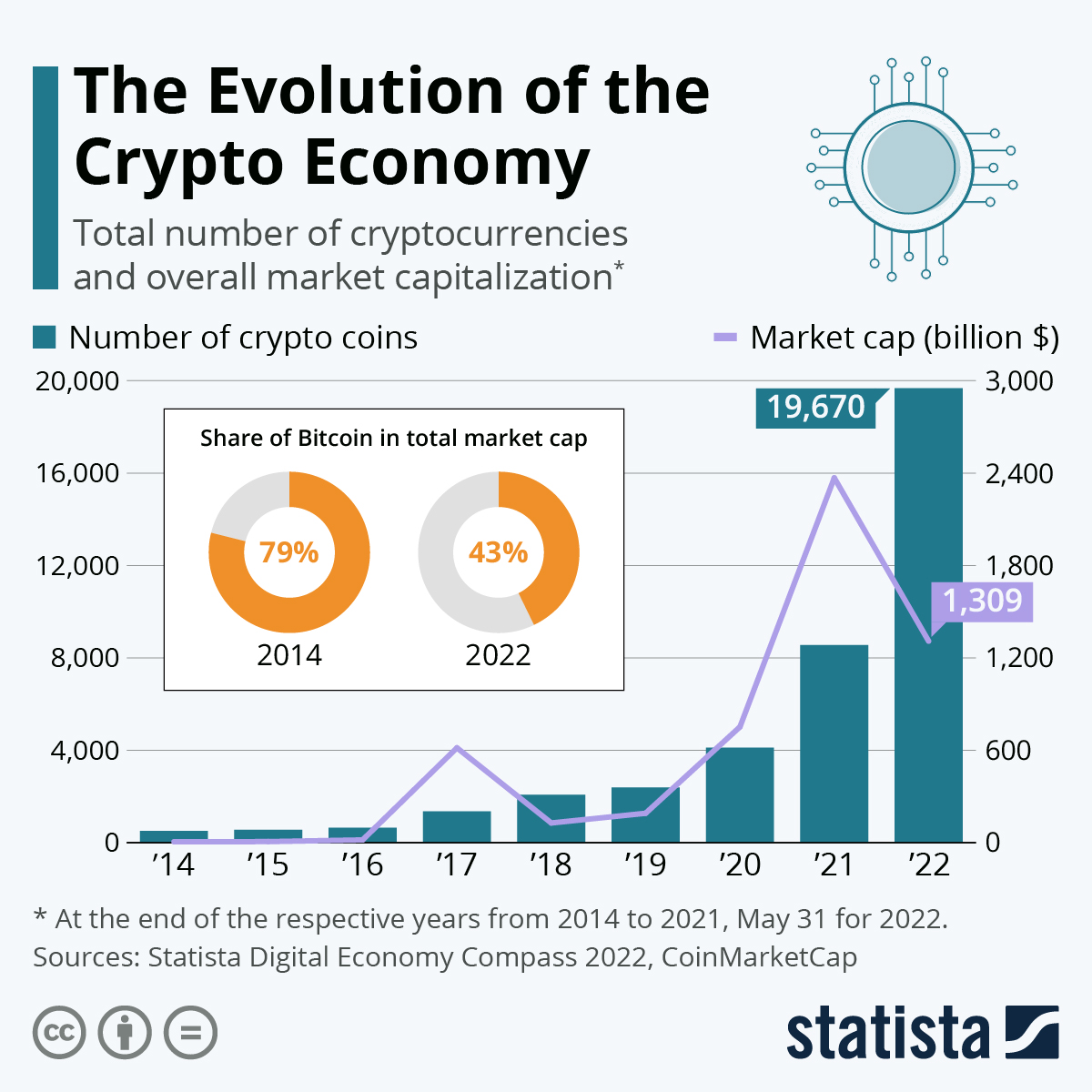
Chart: The Evolution of the Crypto Economy | Statista

In conclusion, the question of crypto company ka malik kaun hai opens up a broader conversation about ownership dynamics, stakeholder influences, and the future of the industry. As we’ve seen, ownership can significantly affect a company’s trajectory, from centralized authority to decentralized governance. The evolution of these models, coupled with regulatory developments and technological advancements, will undoubtedly shape the future of crypto companies in fascinating ways.

FAQ Guide

Who are the main stakeholders in a crypto company?

The main stakeholders typically include founders, investors, employees, and community members who participate in governance.

What is the difference between centralized and decentralized ownership?

Centralized ownership is controlled by a single entity or a small group, while decentralized ownership distributes control among a larger group of stakeholders.

How do regulations impact crypto company ownership?

Regulations can dictate how companies are structured, influence investor rights, and establish compliance requirements that affect ownership models.

What are some examples of centralized crypto companies?

Examples include Coinbase and Binance, which are owned by specific entities or shareholders.

How might ownership structures evolve in the future?

We may see a shift towards more decentralized models as blockchain technology develops and community governance becomes more prevalent.

As crypto companies in DC take center stage, this opening passage beckons readers into a world crafted with good knowledge, ensuring a reading experience that is both absorbing and distinctly original.

The landscape of cryptocurrency in Washington, D.C. is thriving with innovative startups, established firms, and a dynamic regulatory environment that shapes how these companies operate. With a focus on technology and finance, DC is quickly becoming a pivotal hub for crypto enterprises, attracting both local and international interest. This article delves into the key players, regulatory frameworks, and emerging trends within the crypto space in the nation’s capital.

Overview of Crypto Companies in DC

Crypto Companies List | BlockSurvey

Washington, D.C. has emerged as a significant hub for cryptocurrency companies, reflecting the growing interest and adoption of blockchain technology across various sectors. The landscape is characterized by a diverse array of players, from established firms to innovative startups, all contributing to the dynamic crypto ecosystem in the capital. Key players in the D.C. crypto sector include firms specializing in blockchain technology, trading platforms, and crypto wallets.

These companies often work closely with policymakers and regulatory bodies to foster a conducive environment for growth. The regulatory landscape in D.C. plays a crucial role in shaping the growth trajectory of these companies, with many navigating complex compliance requirements that influence their business models and operational strategies.

Regulatory Framework

The regulatory framework governing crypto companies in Washington, D.C. is unique and has substantial implications for businesses operating in this space. The D.C. government has implemented specific regulations aimed at consumer protection, anti-money laundering, and taxation, which impact how crypto firms function and evolve.When compared to other major U.S. cities like San Francisco or New York, D.C.

employs a more cautious approach to cryptocurrency regulation. The emphasis here is on establishing a balance between innovation and security, which can either facilitate or hinder the growth of crypto companies. Significant government agencies, such as the Department of Consumer and Regulatory Affairs (DCRA), play an integral role in overseeing cryptocurrency operations, ensuring they adhere to legal standards and best practices.

Notable Crypto Startups

Washington, D.C. is home to several notable crypto startups, each with unique offerings that cater to various aspects of the blockchain ecosystem. These startups not only contribute to the local economy but also enhance the overall innovation landscape in the region.

  • BlockD: Focuses on providing secure blockchain solutions for government contracts, emphasizing transparency and efficiency.
  • CryptoConnect: A platform that facilitates peer-to-peer transactions, aiming to simplify crypto access for everyday users.
  • TokenTrust: Specializes in creating tokenized assets for real estate, aiming to democratize investment opportunities.

Each of these startups has a distinct mission, such as enhancing accessibility to digital currencies or promoting blockchain technology’s potential to disrupt traditional industries. Collaborations with tech incubators and partnerships with established financial institutions further amplify their reach and influence.

Investment Trends

The investment landscape for crypto companies in D.C. reflects a growing confidence among venture capitalists and investors in the potential of blockchain technology. Recent trends indicate a surge in funding rounds for crypto startups, driven by increasing interest from both institutional and individual investors.Venture capital funding specific to D.C.-based crypto startups has been robust, with several firms actively looking for innovative solutions that drive the industry’s evolution.

Notable investors in this space include established VC firms known for their tech investments as well as angel investors specializing in blockchain technologies.

Community and Networking

The crypto community in Washington, D.C. is vibrant, bolstered by numerous networking events and meetups that cater to enthusiasts, entrepreneurs, and professionals alike. These gatherings provide invaluable opportunities for knowledge sharing, collaboration, and community building.Organizations such as the D.C. Blockchain Summit and local crypto associations play a pivotal role in fostering community engagement. Educational programs and workshops are also instrumental in promoting cryptocurrency knowledge, helping both newcomers and seasoned professionals stay abreast of the latest developments in the space.

Challenges Faced by Crypto Companies

Crypto companies in D.C. encounter various challenges that can significantly affect their operations. Regulatory hurdles, compliance costs, and the evolving nature of laws governing cryptocurrencies pose substantial obstacles for many firms.These challenges often compel companies to adapt their business strategies. For example, some crypto startups have employed legal advisors to navigate the complex regulatory landscape, while others have focused on building strong relationships with regulators to ensure their operations remain compliant and sustainable.

Future Outlook

Crypto Companies in Dubai - Top 8 Companies to Know in 2023 - Core Devs Ltd

Looking ahead, the future of crypto companies in D.C. appears promising, with several trends signaling potential growth and innovation. As the regulatory environment continues to evolve, it is expected that more clarity and support will emerge, allowing for a more robust ecosystem.Predictions suggest that as regulatory frameworks become more standardized, D.C. could attract greater investment and talent to its crypto sector.

The potential for innovation, particularly in areas such as decentralized finance (DeFi) and non-fungible tokens (NFTs), could position D.C. as a leading player in the global cryptocurrency landscape in the coming years.

Closing Summary

In summary, the future of crypto companies in DC appears promising as they navigate challenges while fostering innovation and investment. The synergy of a supportive regulatory framework and an active community will likely propel further growth and enable these enterprises to contribute significantly to the broader financial ecosystem. As we look ahead, the potential for creativity and advancement within DC’s crypto landscape remains vast.

User Queries

What are the main regulatory challenges for crypto companies in DC?

Crypto companies in DC often face challenges related to compliance with both local and federal regulations, which can vary significantly and affect their operations.

How do DC crypto companies compare to those in other cities?

DC crypto companies typically operate within a more stringent regulatory environment than in other cities, influencing their growth and business strategies.

Are there any networking opportunities for crypto enthusiasts in DC?

Yes, DC offers numerous networking events, meetups, and educational programs aimed at fostering knowledge and connections within the crypto community.

Who are some notable investors in DC’s crypto sector?

Several venture capital firms and angel investors focus on the DC crypto market, actively seeking promising startups for investment opportunities.

What innovations are DC crypto companies pursuing?

DC crypto companies are exploring various innovations, including decentralized finance (DeFi), blockchain technology applications, and improved regulatory compliance solutions.

The bitcoin price today in us dollars prediction is a hot topic that intrigues both seasoned investors and newcomers alike. As the cryptocurrency market continues to evolve, understanding the current trends and influences at play becomes crucial for making informed decisions. This discussion delves into recent price fluctuations, historical data, and expert analyses to paint a clearer picture of what might lie ahead for Bitcoin.

From examining significant market factors to exploring various prediction models, we will navigate through the complexities of Bitcoin pricing while providing insights that can help you better understand this dynamic digital asset.

Current Bitcoin Price Trends

Bitcoin has experienced significant price fluctuations recently, with its value showing a mix of highs and lows that have kept traders and investors on their toes. As of today, Bitcoin’s price is hovering around the $30,000 mark, having dipped from around $34,000 just a few weeks ago. This volatility reflects broader market trends and investor sentiment, which can shift rapidly based on a variety of factors.Several elements are currently influencing Bitcoin’s price, including macroeconomic conditions, regulatory developments, and technological advancements.

For instance, recent changes in interest rates and inflation have led to a reevaluation of risk assets, with Bitcoin often being viewed through the lens of digital gold. Additionally, the evolving regulatory landscape in key markets such as the United States and Europe plays a pivotal role in shaping investor confidence.Over the last month, Bitcoin has seen a downward trend, with a few notable recovery attempts.

The price went from approximately $34,000 at the beginning of the month to its current level, indicating a loss of around 12%. This decline has been marked by increased selling pressure and profit-taking among investors.

Historical Bitcoin Price Data

Examining Bitcoin’s price movements over the past year reveals a dramatic journey characterized by sharp rises and falls. It started the year around $40,000, reaching an all-time high of nearly $69,000 in November 2021 before experiencing a steep decline. Understanding these historical trends can provide insights into current market behavior and potential future movements.

Month Closing Price (USD)
October 2022 19,500
November 2022 16,200
December 2022 16,800
January 2023 23,000
February 2023 21,500
March 2023 25,000
April 2023 30,000
May 2023 28,000
June 2023 26,500
July 2023 29,000
August 2023 32,000
September 2023 34,000

Understanding these trends can help investors gauge potential price movements. The historical context often informs current predictions, suggesting that past price behavior may influence future market actions.

Influential Market Factors

Today’s Bitcoin price is heavily influenced by a range of market factors. A major component is the regulatory news emerging from various countries, particularly the U.S. government’s stance towards cryptocurrencies, which can create either bullish or bearish sentiments among investors. Regulatory clarity tends to enhance investor confidence, while uncertainty can lead to sharp price declines.Market sentiment also plays a critical role in price predictions.

For example, during periods of positive sentiment fueled by favorable news or technological advancements, Bitcoin tends to see price increases. Conversely, negative sentiment, often triggered by regulatory crackdowns or market crashes, can lead to panic selling.Technological developments, such as improvements in blockchain technology, also contribute to Bitcoin’s pricing. Upgrades that enhance the network’s security, scalability, or usability can positively impact Bitcoin’s value.

The introduction of layer-2 solutions, for instance, has the potential to improve transaction speeds and lower fees, attracting more users and investors.

Price Prediction Models

Several models are employed by analysts to predict Bitcoin prices, each with its own methodology and effectiveness. Common models include the Stock-to-Flow model, Regression Analysis, and Machine Learning approaches.

Model Description Effectiveness
Stock-to-Flow Based on the scarcity of Bitcoin relative to existing supply. High correlation with historical prices.
Regression Analysis Uses historical price data to identify trends. Moderately effective, varies with market conditions.
Machine Learning Utilizes algorithms to predict prices based on numerous variables. High potential but requires extensive data.

Analysts often utilize these models to establish future price estimates based on historical data. For example, the Stock-to-Flow model suggests that Bitcoin’s price could reach upwards of $100,000 in the coming years as scarcity increases.

Expert Opinions and Forecasts

Insights from cryptocurrency experts highlight a variety of perspectives regarding Bitcoin price predictions. Some analysts are bullish, anticipating a price rebound driven by institutional adoption and increased mainstream acceptance, while others remain cautious due to potential regulatory hurdles and macroeconomic uncertainties.The variance in predictions showcases the complexity of the market; while some forecasts predict Bitcoin could reach $50,000 by the end of the year, others suggest a conservative approach with prices settling around $25,000.

These differing opinions reflect the inherent unpredictability of cryptocurrency markets and the influence of external factors such as global economic conditions.

Market Psychology and Bitcoin Pricing

Market psychology significantly affects Bitcoin price movements. Concepts from behavioral finance explain how emotions and cognitive biases can lead to irrational decision-making among investors. For example, during a market rally, fear of missing out (FOMO) can drive prices higher as more investors rush in.Conversely, panic selling during downturns often exacerbates price declines. A notable instance occurred in 2022 when negative news about regulatory actions led to widespread fear among investors, triggering a significant sell-off that brought prices down sharply.

Understanding these psychological factors can help investors navigate the market more effectively.

Future Trends and Innovations

Looking ahead, several potential trends and innovations could significantly influence Bitcoin pricing. The continued evolution of blockchain technology promises enhancements in security and transaction efficiency, which could lead to increased adoption.Moreover, potential regulatory changes could either bolster or hinder Bitcoin’s growth. For instance, more favorable regulations could encourage institutional investment, while strict regulations might deter new entrants into the market.In conclusion, as the cryptocurrency landscape evolves, staying informed about market dynamics, technological advancements, and regulatory developments will be crucial for anyone involved in Bitcoin trading or investment.

Summary

In conclusion, the landscape of Bitcoin pricing is shaped by numerous factors ranging from market psychology to technological advancements. As we look ahead, staying informed through analysis and expert opinions can empower you to make strategic decisions in the ever-changing world of cryptocurrency. Whether you’re in it for the long haul or just keeping an eye on the market, understanding the nuances of Bitcoin price predictions today will serve you well.

Key Questions Answered

What affects the bitcoin price today?

Bitcoin’s price is influenced by factors such as market demand, investor sentiment, regulatory news, and technological developments in the blockchain space.

How can historical data be useful for predictions?

Historical data helps identify trends and patterns that can inform future price predictions by analyzing past performance and market behavior.

What are some common prediction models for bitcoin pricing?

Common models include technical analysis, fundamental analysis, and machine learning algorithms, each offering different insights based on data interpretation.

Why is market psychology important in cryptocurrency?

Market psychology plays a vital role as emotional responses from investors can lead to volatility, affecting Bitcoin’s price through actions like panic selling or buying.

What potential future trends could impact bitcoin prices?

Future trends might include increased regulatory clarity, adoption of blockchain innovations, and changes in global economic conditions that influence investment in Bitcoin.

Bitcoin wallet lookup is an essential process for anyone navigating the world of cryptocurrencies. With the rise of digital currencies, understanding how to effectively track and verify wallet activity is more crucial than ever. This overview will take you through the various types of bitcoin wallets, their functionalities, and the importance of conducting thorough wallet lookups.

From assessing security measures to analyzing wallet activity, knowing how to perform a wallet lookup can enhance your overall experience in the crypto space. Moreover, as the landscape evolves with emerging technologies and regulations, staying informed will empower you to make confident decisions regarding your digital assets.

Understanding Bitcoin Wallets

Bitcoin wallets serve as the digital equivalent of a physical wallet, allowing users to store, send, and receive Bitcoin securely. With the rise of cryptocurrency, understanding the various wallet types is essential for effectively managing Bitcoin assets. This section explores the different types of Bitcoin wallets, their functionalities, and the security measures associated with each type, offering a comprehensive view for both new and seasoned users.

Types of Bitcoin Wallets and Their Functionalities

Bitcoin wallets come in several forms, each designed for specific use cases and offering varying levels of convenience and security. The main types include hardware wallets, software wallets, and paper wallets. These wallets facilitate different means of storing and accessing Bitcoin.

  • Hardware Wallets: These are physical devices that securely store private keys offline. Hardware wallets are considered one of the safest options for long-term storage, as they are less vulnerable to malware and hacking.
  • Software Wallets: These wallets are applications that can be installed on computers or smartphones. They are convenient for everyday transactions but can be susceptible to online threats if not properly secured.
  • Paper Wallets: A paper wallet involves printing your Bitcoin keys on paper. This method eliminates the risk of online hacking but poses a risk if the physical copy is lost or damaged.

Security Measures Associated with Wallet Types

Understanding the security features of each wallet type is crucial for protecting Bitcoin holdings. Each wallet type employs different methods to safeguard users’ assets.

  • Encryption: Most software wallets use strong encryption to protect private keys, ensuring that only authorized users can access their funds.
  • Backup Options: Hardware wallets often come with recovery seed phrases, allowing users to restore access in case the device is lost. Software wallets also provide backup functionalities.
  • Multi-signature Support: Some wallets offer multi-signature features, requiring multiple private keys to authorize a transaction, adding an extra layer of security.

Comparing Hardware Wallets and Software Wallets

When choosing between hardware and software wallets, it’s essential to weigh their advantages and disadvantages, as each has unique features that cater to different user needs.

Hardware wallets are generally more secure, while software wallets offer more convenience for everyday use.

  • Pros of Hardware Wallets:
    • Enhanced security due to offline storage.
    • Protection against malware and phishing attacks.
    • Ideal for long-term storage of large amounts of Bitcoin.
  • Cons of Hardware Wallets:
    • Higher cost compared to software wallets.
    • Less convenient for frequent transactions.
    • Physical loss or damage can lead to loss of access if backups are not maintained.
  • Pros of Software Wallets:
    • Free or low-cost options available.
    • Easy and quick access for day-to-day transactions.
    • User-friendly interfaces with mobile and desktop compatibility.
  • Cons of Software Wallets:
    • Increased vulnerability to hacks and malware.
    • Often require constant internet access.
    • Security depends on the user’s ability to maintain proper safeguards.

Bitcoin Wallet Lookup Process

Performing a Bitcoin wallet lookup is an essential skill for anyone involved in cryptocurrency transactions. This process allows users to track their assets, verify transaction histories, and ensure the safety of their funds. By understanding how to effectively conduct a wallet lookup, individuals can enhance their confidence in managing Bitcoin and other cryptocurrencies.The Bitcoin wallet lookup process involves several key steps and utilizes various tools and resources.

Below, we explore the detailed procedure and the necessary components to facilitate a successful wallet lookup.

Steps in Performing a Bitcoin Wallet Lookup

Understanding the steps involved in a Bitcoin wallet lookup is crucial for monitoring transactions and ensuring security. Here are the main stages of the process:

  1. Obtain the Wallet Address: The first step is to obtain the public wallet address that you want to look up. This address is a string of alphanumeric characters starting with a ‘1’, ‘3’, or ‘bc1’.
  2. Select a Wallet Lookup Tool: Choose a reliable Bitcoin blockchain explorer or wallet lookup service that provides accurate information.
  3. Input the Wallet Address: Enter the public wallet address into the search bar of the chosen tool. This will initiate the lookup process.
  4. Review the Transaction History: Analyze the displayed transaction history, which typically includes details such as transaction dates, amounts sent and received, and any associated fees.
  5. Check the Wallet Balance: Most lookup tools will also display the current balance of the wallet, showing how much Bitcoin is held.

Tools and Resources for Wallet Lookup

To perform an effective Bitcoin wallet lookup, several tools and resources can be utilized. These tools enhance the process by providing accurate data and user-friendly interfaces. Here are some essential tools for looking up Bitcoin wallets:

Utilizing the right tools can streamline the wallet lookup process, making it easier to access crucial information about transactions.

  • Blockchain Explorers: Websites like Blockchain.com, Blockchair, and BlockCypher allow users to enter wallet addresses and view detailed transaction histories and balances.
  • Wallet Lookup Services: Services such as BitRef and WalletExplorer provide additional insights, including wallet creation dates and previously associated transactions.
  • Mobile Apps: Several mobile applications are available, such as Mycelium and Electrum, which offer wallet lookup functionalities right from your smartphone.

Popular Wallet Lookup Services and Their Features

Various services are available for looking up Bitcoin wallets, each offering unique features that cater to different user needs. Here are some popular options:

Choosing the right wallet lookup service can greatly enhance your cryptocurrency management experience.

  • Blockchain.com: Offers a comprehensive blockchain explorer with real-time transaction tracking, historical data, and wallet balance information.
  • Blockchair: Features advanced filtering options, allowing users to search not only by address but also by transaction IDs and block numbers.
  • WalletExplorer: Provides in-depth analysis of wallet addresses, including the ability to view related wallets and transaction graphs.

Importance of Wallet Lookups

Conducting a Bitcoin wallet lookup serves multiple critical purposes for users of cryptocurrency. It is not just a technical procedure; it enhances the user’s ability to manage security and transparency in their transactions. Wallet lookups allow individuals to verify transaction histories, assess wallet balances, and even evaluate the reputation of certain addresses. This functionality is especially vital in a decentralized system like Bitcoin, where accountability and transparency can be tricky.The enhanced security and transparency through wallet lookups can significantly mitigate the risks associated with cryptocurrency use.

By conducting regular checks on wallet addresses, users can ensure that their funds are not being mismanaged or that they are not inadvertently dealing with fraudulent actors. This proactive approach can help in building trust in the system and among peers. Moreover, wallet lookups can shed light on the flow of funds, helping users trace back transactions for auditing purposes or personal record-keeping.

Scenarios Beneficial for Users

Understanding when to leverage wallet lookups can be a game changer for Bitcoin users. Several practical scenarios illustrate the importance of this feature:

1. Verifying Transaction History

Users can confirm the legitimacy of transactions by checking the history associated with a specific wallet address. This is especially important before accepting payments or transferring funds.

2. Ensuring Security

Individuals looking to maintain the security of their holdings can use wallet lookups to identify any suspicious activities. By regularly monitoring their wallets or those of others, they can act quickly to mitigate potential risks.

3. Evaluating Counterparties

When engaging in peer-to-peer transactions, users can check the reputation of the wallet addresses involved. This can prevent costly mistakes or fraud, as it provides insight into the history of the wallet, including past transactions and any associated controversies.

4. Researching Investment Opportunities

Investors looking to engage with new crypto projects can conduct wallet lookups to evaluate the funding sources of a project. Understanding where funds are coming from or how they are being distributed can provide guidance on whether to proceed with an investment.

5. Regulatory Compliance

For businesses accepting Bitcoin, conducting wallet lookups is essential for ensuring compliance with regulations regarding anti-money laundering (AML) and know-your-customer (KYC) requirements. By tracking the flow of funds, businesses can maintain transparent practices.

Regular wallet lookups empower users to make informed decisions and foster accountability in their cryptocurrency dealings.

Analyzing Wallet Activity

Understanding wallet activity is crucial for assessing the behavior of Bitcoin wallets. When you perform a wallet lookup, you retrieve data that can reveal transaction patterns, amounts sent or received, and the frequency of transactions. Analyzing this data allows users to draw conclusions about the wallet’s behavior, which can help in identifying potential risks or opportunities.Interpreting wallet activity data involves looking at various metrics that reflect the usage and behavior of a wallet over time.

These metrics can indicate whether a wallet is being used for regular transactions, hoarding, or potentially illicit activities. By examining the details of transactions, individuals can recognize unusual patterns that may warrant further investigation.

Common Wallet Activity Metrics

To better understand wallet activity, it’s useful to consider a set of common metrics that provide insights into its operation. The table below Artikels these metrics along with their significance:

Metric Significance
Total Transactions This indicates the total number of transactions associated with the wallet, which may suggest its activity level.
Incoming Transactions A measure of funds being received, which can help identify if the wallet is used for receiving payments or donations.
Outgoing Transactions This reflects how much Bitcoin is being sent from the wallet, which can indicate spending behavior or investment strategies.
Average Transaction Amount Calculating the average amount per transaction helps understand the typical transaction size, which can be useful for detecting anomalies.
Transaction Frequency High frequency may indicate active trading or operational use, while low frequency could suggest hoarding or occasional transactions.

Using wallet activity analysis can significantly aid in identifying suspicious behavior. For instance, if a wallet that typically has low transaction activity suddenly shows a spike in outgoing transactions, it may be a sign of potential fraud or hacking attempts. By monitoring unusual spikes in transaction frequency or amounts, users can take proactive measures to secure their funds.

“Monitoring wallet activity is key to preventing losses from fraudulent activities.”

In addition, patterns such as repeated small transactions to different wallets can sometimes indicate an attempt to obfuscate the source of funds, a technique often used in money laundering. By developing an understanding of standard wallet behavior, users can more readily pinpoint deviations that may pose a risk, allowing for swift action to mitigate any potential threats.

Privacy Considerations

Bitcoin wallet lookups can significantly impact user privacy. While the blockchain offers transparency, it also means that wallet addresses and transaction histories are publicly visible. This exposure can pose risks to individual anonymity and financial security, especially if users aren’t aware of how their data might be analyzed and tracked by third parties. Understanding these privacy implications is essential for anyone engaging in the Bitcoin ecosystem.

To safeguard against privacy breaches during wallet lookups, users should adopt various strategies and tools designed to enhance their anonymity. It’s important to recognize that not all wallets are created equal when it comes to privacy features.

Measures for Enhancing Anonymity

Several measures can enhance privacy during Bitcoin wallet lookups. Employing these strategies helps users maintain anonymity and protect their financial activities from prying eyes.

  • Using a VPN: A Virtual Private Network (VPN) masks your IP address, making it difficult for observers to trace your online activities back to you. This is particularly useful when accessing wallet lookup services.
  • Utilizing Tor Network: The Tor network offers enhanced anonymity by routing your connection through multiple servers, obscuring your location and identity. It is especially effective for accessing Bitcoin-related sites.
  • Adopting Privacy-Focused Wallets: Some wallets are built specifically to prioritize user privacy, incorporating features like CoinJoin transactions that obfuscate the trail of coins, making analysis significantly harder.
  • Regularly Changing Wallet Addresses: Constantly changing wallet addresses can minimize the likelihood of transaction histories being linked back to a single identity. This practice helps to compartmentalize transactions and reduces traceability.

Comparison of Privacy-Focused Wallets

When considering the privacy of Bitcoin wallets, it is essential to compare the features of different privacy-focused wallets available. Each offers unique functionalities aimed at enhancing user anonymity.

Wallet Name Privacy Features Compatibility
Wasabi Wallet CoinJoin integration, built-in privacy features, and Tor support. Desktop (Windows, macOS, Linux)
Samourai Wallet CoinJoin, stonewalling, and stealth addresses for enhanced privacy. Mobile (Android)
Electrum Wallet Supports various privacy-focused features like using Tor and custom transaction fees. Desktop (Windows, Linux, macOS) and Mobile (Android)

Each of these wallets offers distinct approaches to privacy, making them suitable for different user preferences and requirements. By selecting a wallet with robust privacy features, users can better protect their identity and financial data while engaging in the Bitcoin ecosystem.

Maintaining your privacy in the digital currency space is not just a good practice; it’s essential for safeguarding your financial future.

Troubleshooting Wallet Lookups

When dealing with Bitcoin wallets, users may occasionally hit roadblocks during the lookup process. Understanding common issues and having solutions at hand can alleviate frustration and ensure that users can efficiently manage their digital assets. This section covers those frequent challenges and provides guidance on how to address them effectively.

Common Issues and Solutions

Several issues can arise during wallet lookups, which can lead to difficulty in retrieving wallet information. Recognizing these issues and knowing how to troubleshoot them is essential for proper wallet management. Here are some common problems users might encounter along with their potential solutions:

  • Incorrect Wallet Address: Ensure that the wallet address entered is accurate. Mistakes such as missing characters or typos can lead to lookup failures.
  • Network Issues: Slow or unstable internet connections can hinder the lookup process. Checking your connection and resetting your router can often resolve this issue.
  • Outdated Blockchain Explorer: Sometimes, the blockchain explorer may be outdated or experiencing issues. Try using a different explorer or refreshing the page.
  • Wallet Type Mismatch: Ensure that you are using the correct type of wallet for your lookup (e.g., a Bitcoin wallet vs. some other cryptocurrency). Different wallets may store data differently.
  • Privacy Settings and Filters: Some wallets have privacy settings that may limit visibility. Adjusting these settings can help retrieve the necessary information.

Verifying Information from Wallet Lookups

It is crucial to verify all information obtained from wallet lookups to avoid potential security issues or financial losses. Data obtained from unreliable sources can lead to misunderstandings or improper actions. Always cross-reference the wallet details with legitimate blockchain explorers known for their accuracy and reliability.

“Verification of wallet information is key in maintaining the security and integrity of your digital assets.”

Troubleshooting Steps for Unavailable Wallet Information

If users encounter difficulties finding specific wallet information, following systematic troubleshooting steps can help identify and resolve the issue. Consider these steps:

  • Double-check the Address: Re-verify the wallet address for any possible errors.
  • Change Explorers: Utilize a different blockchain explorer if the current one does not yield results.
  • Check Network Status: Confirm that the blockchain network is operational and not undergoing maintenance or experiencing delays.
  • Seek Community Help: Engage with forums or communities for additional support; another user may have faced and resolved a similar issue.
  • Contact Wallet Support: If all else fails, reach out to the wallet provider for guidance and assistance regarding the specific situation.

Future Trends in Wallet Lookup Technology

As the cryptocurrency landscape continues to evolve, the technology surrounding bitcoin wallet lookups is also poised for significant advancements. Emerging technologies, along with potential regulatory changes and improvements in blockchain systems, are expected to shape how individuals and organizations interact with wallet data. Understanding these trends can enhance how we think about security, privacy, and overall user experience in the bitcoin ecosystem.

Emerging Technologies Influencing Bitcoin Wallet Lookups

The integration of various emerging technologies is set to transform the process of bitcoin wallet lookups significantly. Key advancements include:

  • Artificial Intelligence (AI): AI algorithms can analyze wallet behaviors and predict trends, making it easier for users to manage their assets securely and efficiently.
  • Machine Learning (ML): ML models can enhance the accuracy of wallet activity predictions, helping users identify potential fraudulent activities more quickly.
  • Decentralized Identity Solutions: These solutions can increase privacy and security during wallet lookups by enabling users to authenticate their identities without revealing sensitive data.

Potential Regulatory Changes Impacting Wallet Lookup Practices

Regulatory frameworks around cryptocurrency are continually evolving, and these changes can have a substantial impact on wallet lookup practices. Governments and regulatory bodies are increasingly focused on ensuring compliance with anti-money laundering (AML) and know-your-customer (KYC) regulations.

  • The introduction of stricter compliance requirements may require wallet lookup services to implement more robust identity verification processes.
  • Potential regulations could mandate that wallet lookup tools maintain detailed transaction records, influencing data storage and privacy considerations.
  • New laws could also promote transparency, leading to enhanced traceability of wallet activity while maintaining user privacy through encryption and anonymization techniques.

Advancements in Blockchain Technology Enhancing Wallet Lookup Accuracy

Blockchain technology itself is undergoing rapid advancements, which are likely to improve the accuracy and efficiency of wallet lookups. Innovations in this area are pivotal for the future of cryptocurrency transactions.

  • Smart Contracts: The use of smart contracts can automate and secure transactions, reducing the risk of errors during wallet lookups.
  • Layer 2 Solutions: Technologies like the Lightning Network aim to enhance transaction speeds and reduce fees, providing more real-time data for wallet lookups.
  • Cross-Chain Compatibility: As different blockchain networks become more interoperable, wallet lookup tools may evolve to provide comprehensive insights across multiple platforms.

Advancements in blockchain technology are set to redefine how accurate and efficient bitcoin wallet lookups can be, enhancing user experience and security.

Conclusion

In conclusion, mastering the bitcoin wallet lookup process is vital for both security and transparency in your cryptocurrency dealings. By understanding wallet types, analyzing activity, and considering privacy implications, you can navigate the digital currency landscape with greater assurance. As technology continues to advance, keeping abreast of wallet lookup trends will further enhance your ability to manage and protect your investments.

Essential Questionnaire

What is a bitcoin wallet lookup?

A bitcoin wallet lookup is a process used to verify the details and activity of a specific bitcoin wallet, including transaction history and balance.

Why should I conduct a bitcoin wallet lookup?

Conducting a wallet lookup helps enhance security, ensures transparency, and allows you to monitor transactions for suspicious activity.

Are wallet lookups private?

While wallet lookups can provide valuable information, they can also expose wallet addresses and transaction histories, so it’s essential to consider privacy measures.

What tools can I use for a bitcoin wallet lookup?

Popular tools include blockchain explorers like Blockchair and Blockchain.com, which offer user-friendly interfaces to search and analyze wallet information.

What should I do if I cannot find my wallet information?

If you can’t find your wallet information, ensure you’re entering the correct wallet address and check for any common issues related to wallet lookups.

Navigating the world of cryptocurrency can feel overwhelming, especially when considering buying Bitcoin in Australia. This comprehensive guide delves into the intricacies of selecting the best app for your needs, examining various platforms and methods. From security concerns to practical considerations like fees and user experience, we’ll cover it all.

Choosing the right platform for purchasing Bitcoin in Australia involves careful consideration of factors such as transaction fees, security measures, and user interface. This guide provides a detailed comparison of popular apps, highlighting their strengths and weaknesses to help you make an informed decision.

Introduction to Bitcoin Buying in Australia

Bitcoin, a decentralised digital currency, has gained traction in Australia, offering an alternative payment method and investment opportunity. Its potential for global transactions and volatility as an asset class has attracted interest, though it’s important to be aware of the risks involved. Understanding the various purchasing methods and the regulatory framework is crucial for anyone considering investing in Bitcoin in Australia.

Methods for Purchasing Bitcoin in Australia

Several methods allow Australians to acquire Bitcoin. The selection depends on individual preferences and risk tolerance. Different platforms offer varying features and security measures.

Method Pros Cons Platform Examples
Exchange Platforms Wide range of options, often with advanced features like margin trading, and usually established track records. Often provide support for various cryptocurrencies. Higher transaction fees compared to some methods, potential for scams or security breaches. May require KYC (Know Your Customer) procedures. Binance, Coinbase, Kraken
Peer-to-Peer (P2P) Trading Platforms Potentially lower fees than exchanges, direct interaction with sellers, allowing for greater control. Higher risk of fraud due to dealing directly with individuals, requires careful vetting of counterparties, and potential for disputes. LocalBitcoins, Paxful
Over-the-Counter (OTC) Trading Flexibility in terms of transaction volume, tailored solutions for larger transactions, potentially better pricing. More complex to navigate, can be harder to find reputable providers, and generally involves higher risk compared to exchange platforms. (Specific OTC providers vary and are often less publicly listed)
Bitcoin ATMs Convenience for quick purchases, accessible in many locations. Generally higher transaction fees, limited purchase amounts, and may not always offer the best exchange rates. Various ATM providers in Australia

Regulatory Landscape Surrounding Bitcoin Transactions in Australia

Australia’s regulatory environment for cryptocurrencies is evolving. The Australian Securities and Investments Commission (ASIC) plays a significant role in overseeing financial products and services, including cryptocurrencies. While not fully regulated like traditional financial instruments, Bitcoin transactions are subject to certain rules and guidelines.

Important Considerations

Understanding the potential risks is crucial when considering Bitcoin. The volatility of Bitcoin prices means significant gains can be coupled with equally significant losses. Appropriate risk management and due diligence are essential. Additionally, understanding tax implications is crucial, as regulations around crypto assets are continually evolving. Users must stay informed about the current rules and ensure they comply with all relevant tax obligations.

Comparison of Bitcoin Buying Apps in Australia

Navigating the Australian cryptocurrency landscape can feel overwhelming, particularly when it comes to purchasing Bitcoin. Numerous apps cater to this need, each with its own strengths and weaknesses. This section provides a comparative analysis of popular Bitcoin buying apps in Australia, highlighting key features, user experiences, and operational details.

Popular Bitcoin Buying Apps in Australia

Several apps dominate the Australian market for buying Bitcoin. These platforms vary in their functionalities, fees, and user experiences. Understanding the differences is crucial for selecting the most suitable app.

  • Bitcoin.com Wallet: A well-established platform, Bitcoin.com Wallet offers a comprehensive suite of services beyond just buying Bitcoin. Users can store, manage, and send cryptocurrencies. The platform boasts robust security features and a user-friendly interface, appealing to both novice and experienced users. Transaction fees are often competitive compared to other options.
  • CoinSpot: A prominent Australian cryptocurrency exchange, CoinSpot, is known for its user-friendly interface and competitive trading fees. It’s particularly popular for those looking to buy and sell various cryptocurrencies, including Bitcoin. Security measures are generally considered high, with robust protection against fraudulent activities. Fees can fluctuate, and users should review the current pricing structure.
  • Binance: A global cryptocurrency exchange, Binance also caters to Australian users, providing a wider range of cryptocurrencies to buy and sell. Binance is renowned for its extensive features, including margin trading and futures contracts. The platform’s security protocols are strong, but navigating the platform can be more complex for new users. Transaction fees are generally competitive but may vary based on trading volume and other factors.

Key Features of Bitcoin Buying Apps

These apps offer varying degrees of functionality. Understanding the specific features is critical for making an informed decision.

  • Security Measures: Robust security protocols are paramount in the cryptocurrency space. Apps should implement measures like two-factor authentication, encryption, and cold storage to protect user funds.
  • Transaction Fees: Fees associated with buying and selling Bitcoin can vary significantly between platforms. Users should carefully consider transaction fees when comparing options, and seek out apps with transparent fee structures.
  • User Interface and Experience: A user-friendly interface simplifies the process of buying Bitcoin. The platform should be intuitive and easy to navigate for both new and experienced users.

User Experiences and Customer Reviews

User experiences play a crucial role in evaluating the quality of an app. Customer reviews provide insights into various aspects of the platform.

  • Ease of Use: User reviews can indicate how intuitive the app is. A smooth and straightforward user experience is essential for a positive interaction.
  • Customer Support: Prompt and helpful customer support is critical when issues arise. A platform with responsive and knowledgeable support staff can be a valuable asset for users.
  • Overall Satisfaction: Customer reviews provide a holistic view of user satisfaction, considering factors such as security, fees, and customer service.

Step-by-Step Guide for Buying Bitcoin

The process of buying Bitcoin through these apps generally involves similar steps.

  1. Account Creation: Create an account on the chosen platform by providing necessary information and verifying your identity.
  2. Funding the Account: Deposit funds into your account using the supported payment methods.
  3. Bitcoin Purchase: Select the amount of Bitcoin you wish to purchase and confirm the transaction.

Comparative Table of Bitcoin Buying Apps

A comparison of popular apps based on key criteria is presented below.

App Name Fees Security Features User Ratings
Bitcoin.com Wallet Competitive Robust Generally High
CoinSpot Variable Strong Positive
Binance Competitive Strong Mixed

Security Considerations for Bitcoin Purchases

Bitcoin, while offering exciting investment possibilities, comes with inherent security risks. Understanding these risks and adopting robust security practices is crucial for safeguarding your investments. This section delves into the importance of security in Bitcoin transactions, potential pitfalls, and best practices for Australian users.Protecting your Bitcoin holdings requires vigilance and proactive measures. Neglecting security can lead to significant financial losses.

This section details crucial steps to protect your digital wallets and investments.

Importance of Security in Bitcoin Transactions

Bitcoin transactions, while digitally recorded, are vulnerable to malicious actors and technical glitches. Maintaining a high level of security is paramount for safeguarding your digital assets. Security breaches can result in the loss of your entire investment.

Potential Risks Associated with Buying Bitcoin

Several risks are associated with purchasing Bitcoin, ranging from fraudulent activities to technical issues. Understanding these risks is the first step in mitigating potential losses. Scams, phishing attempts, and compromised platforms are all potential threats.

Best Practices for Securing Bitcoin Purchases in Australia

Following secure practices is vital to protecting your Bitcoin holdings in Australia. These practices are designed to deter and mitigate risks. Use reputable and verified platforms for purchasing Bitcoin. Thorough research and due diligence are crucial before engaging with any platform.

Securing Digital Wallets

Digital wallets, the repositories for your Bitcoin, are the primary target for cyberattacks. Protecting these wallets requires a multi-layered approach. Strong passwords, two-factor authentication (2FA), and regular software updates are critical for safeguarding your wallets.

Security Tips

  • Strong Passwords: Use complex passwords with a combination of uppercase and lowercase letters, numbers, and symbols. Avoid easily guessable passwords like your birthdate or common phrases. Consider a password manager for generating and storing strong passwords securely.
  • Two-Factor Authentication (2FA): Enable 2FA wherever possible. This adds an extra layer of security by requiring a second verification step, such as a code from your phone, beyond your password. This significantly reduces the risk of unauthorized access.
  • Regular Software Updates: Keep your wallet software and operating system updated. Updates often include security patches to address vulnerabilities. Outdated software is a significant security risk.
  • Avoid Phishing and Scams: Be cautious of unsolicited emails or messages asking for your Bitcoin credentials. Legitimate platforms will never ask for your private keys or login information through email or instant messages. Verify the legitimacy of any request.
  • Cold Storage: Consider using cold storage options for long-term storage of significant amounts of Bitcoin. Cold storage involves storing your private keys offline, which minimizes the risk of online theft.
  • Platform Security: Research the security measures of any platform you use to buy or store Bitcoin. Look for platforms with robust security protocols and reputable security certifications.
  • Transaction Monitoring: Monitor your Bitcoin transactions carefully. Be aware of any unusual or unexpected activity. Report suspicious activity immediately to the platform or relevant authorities.
  • Backup Your Wallet: Regularly back up your wallet data to an offline storage device. This ensures that you can recover your Bitcoin in case of a loss or damage to your primary storage.

Factors Influencing Bitcoin App Choice

Choosing the right Bitcoin buying app in Australia is crucial for a smooth and secure experience. Various factors need consideration, from transaction fees to user interface design and customer support. This section delves into the key elements that should guide your decision.Deciding on the best Bitcoin buying app involves careful evaluation of several factors. Each app presents a unique set of features and advantages, and understanding these differences is vital to making an informed choice.

Factors like transaction fees, security measures, ease of use, and customer support should be rigorously assessed.

Transaction Fees and Speeds

Transaction fees and processing speeds are significant considerations. Different apps employ various fee structures, impacting the overall cost of buying Bitcoin. Some apps charge flat fees, while others use variable pricing models based on transaction volume or time of day. Similarly, transaction speeds vary considerably. Rapid processing times are essential for timely access to your Bitcoin.

  • Transaction fees can be a substantial cost when purchasing Bitcoin. Understanding the different fee structures and the potential impact on your overall investment is crucial. Compare the flat fees and variable pricing models to determine the best fit for your needs.
  • Faster transaction speeds mean quicker access to your Bitcoin holdings. Evaluate the processing times offered by each app and their potential impact on your financial goals.

For example, one app might charge a flat fee of $5 per transaction, while another might use a tiered system with fees varying from $2 to $10 based on transaction size. Consider these costs in conjunction with the volume of Bitcoin purchases you intend to make. Similarly, comparing transaction speeds is vital. A platform with quicker processing times could be a significant advantage.

Security and User Interface

App security is paramount. Evaluate the security protocols employed by each app, including encryption methods and measures against fraud. Look for apps with strong reputations for security and a history of protecting user funds.The user interface (UI) significantly impacts the ease of use. A user-friendly interface simplifies navigation and transactions. Intuitive design is essential for a positive user experience.

An easy-to-navigate platform can significantly reduce the potential for errors.

  • Security features should be thoroughly investigated. Look for encryption methods, fraud prevention measures, and the overall security reputation of the platform. A reputable history and robust security protocols are essential.
  • A well-designed user interface is critical. A simple and intuitive platform enhances the user experience and reduces the risk of errors. Consider factors like navigation, clarity of information, and overall ease of use.

Customer Support and Reputation

Robust customer support is vital in case of issues or questions. Evaluate the availability and responsiveness of support channels, such as phone, email, or live chat. Positive user reviews and a strong reputation within the cryptocurrency community are also important indicators of a reliable platform.A positive reputation and strong community support are often associated with established and trusted platforms.

A thorough evaluation of customer support channels, their responsiveness, and the overall reputation of the app can help determine its reliability.

  • Customer support options should be comprehensive and readily accessible. Check the availability of phone support, email, or live chat, and assess their responsiveness. A reliable support system is essential.
  • Investigate the app’s reputation and user reviews. Positive feedback and a strong presence in the cryptocurrency community are indicative of a trustworthy platform.

Comparison Table

Factor App A App B App C
Fees Flat $5 Tiered (2-10%) Variable (0.5-2%)
Transaction Speed 2-4 hours 1-2 hours 15-30 mins
Security High High High
User Interface Good Excellent Average
Customer Support Good Excellent Fair
Pros Simplicity Flexibility Speed
Cons Fixed fee Variable fee Limited support

Buying Bitcoin in General

Bitcoin, a decentralized digital currency, can be purchased through various methods globally. Understanding these diverse options is crucial for navigating the process safely and effectively. Choosing the right method often depends on factors such as location, available payment options, and personal risk tolerance.Purchasing Bitcoin involves several key steps, regardless of the specific platform or exchange. A common thread is verifying user identity, funding an account, and authorizing the purchase of the desired Bitcoin amount.

Global Bitcoin Purchasing Methods

Various platforms and methods facilitate Bitcoin purchases worldwide. These options range from traditional exchanges to peer-to-peer (P2P) markets and even specialized Bitcoin ATMs.

  • Centralized Exchanges: These platforms offer a structured environment for buying and selling Bitcoin. Users typically open an account, deposit funds (often via bank transfer, credit card, or other payment methods), and then execute a trade to acquire Bitcoin. Popular centralized exchanges often provide robust security features and user support. Examples include Coinbase, Kraken, and Binance.
  • Peer-to-Peer (P2P) Platforms: P2P marketplaces connect buyers and sellers directly. This approach allows for transactions outside the traditional exchange structure, often with potentially lower fees. However, it also introduces higher risks, as buyers and sellers are not vetted by a central authority. A common concern is the need to trust the other party involved in the transaction.
  • Bitcoin ATMs: These physical machines allow users to purchase Bitcoin directly with cash. While convenient in some locations, Bitcoin ATMs often come with higher fees and may have limited Bitcoin amounts available. They can be a practical option for quick purchases but typically have lower liquidity compared to exchanges.

Examples of Bitcoin Purchase Methods

Numerous methods exist for purchasing Bitcoin. The chosen method depends on the buyer’s comfort level and preferences.

  • Bank Transfer: A secure method for transferring funds to a Bitcoin exchange account. However, this process can be time-consuming.
  • Credit/Debit Card: A relatively quick method for purchasing Bitcoin on exchanges, though often subject to higher transaction fees.
  • Cryptocurrency Exchange Transfers: Users can transfer Bitcoin from one exchange to another. This method is often faster and more cost-effective than other transfer options.

Bitcoin Purchase Flowchart

The following flowchart illustrates the general steps involved in purchasing Bitcoin.“`[Diagram of a flowchart would be inserted here, but cannot be generated in text format]“`*Note:* The flowchart would depict the general steps, including account creation, funding, trade authorization, and confirmation.

Specific Bitcoin Buying Methods

Top 6 Best Bitcoin apps for Android and iPhone (2019)

Bitcoin purchases in Australia can be made through various channels, each with its own advantages and drawbacks. Understanding these methods is crucial for choosing a safe and efficient approach to acquiring Bitcoin. Factors like transaction speed, fees, and security are key considerations.

Bank Transfers

Bank transfers are a common method for transferring funds to a Bitcoin exchange. This process often involves initiating a wire transfer from your bank account to the exchange’s designated account. While generally secure, bank transfers can be slower than other options, taking several business days for completion. Fees may also apply depending on your bank and the exchange.

Credit/Debit Cards

Purchasing Bitcoin with credit or debit cards is a relatively straightforward option for many users. The process typically involves providing card details during the purchase process on the exchange platform. This method offers convenience and relatively fast transaction times, but it may come with higher transaction fees compared to bank transfers. Security measures, such as two-factor authentication, are crucial for protecting card details.

Other Methods

Other methods for acquiring Bitcoin, such as using prepaid cards or peer-to-peer (P2P) exchanges, are available. Prepaid cards offer a degree of anonymity, while P2P exchanges allow direct transactions between buyers and sellers. However, P2P exchanges can pose higher security risks if not conducted through reputable platforms. The verification processes and associated fees vary considerably depending on the chosen method.

Verification Processes

Verification processes for Bitcoin purchases vary based on the chosen method and the specific exchange. For bank transfers, verification often involves verifying account details and possibly providing supporting documentation. Credit/debit card purchases generally require verification of the cardholder’s identity. The level of verification can significantly impact the speed of transaction completion. Additional verification steps may be necessary for certain high-value transactions.

Comparison Table

Method Security Speed Fees
Bank Transfer Generally high Slow (several business days) Potentially low, but bank-specific
Credit/Debit Card Medium, depends on platform security Fast (typically within hours) Higher than bank transfer
Prepaid Cards Medium, depends on the prepaid card provider Variable Potentially high
P2P Exchanges Lower than exchange platforms, but riskier Variable, depending on negotiation Negotiated between buyer and seller

Illustrative Case Studies of Bitcoin Transactions

Navigating the world of cryptocurrency investments, especially Bitcoin, requires careful consideration of potential risks and rewards. Real-world examples offer valuable insights into the complexities of these transactions, highlighting both successful and unsuccessful outcomes. Understanding these case studies can aid in making informed decisions about your Bitcoin investments.

Successful Bitcoin Transactions in Australia

A well-researched approach to Bitcoin purchases often leads to positive outcomes. Thorough due diligence, understanding the chosen platform’s security measures, and adhering to best practices are crucial elements for success.

  • User A successfully purchased Bitcoin through a reputable Australian exchange. They meticulously researched the platform’s security protocols and used strong passwords. This user meticulously monitored their holdings and promptly responded to any suspicious activity. This proactive approach contributed to a smooth and successful transaction.
  • User B, after extensive research, decided to use a platform offering secure cold storage options. This user also diversified their holdings across different cryptocurrencies and adhered to a predetermined investment strategy. This strategy, coupled with a commitment to continuous learning about market trends, resulted in a positive return on investment for User B.

Unsuccessful Bitcoin Transactions in Australia

Unfortunately, some Bitcoin transactions in Australia have resulted in losses. These instances often stem from a lack of due diligence, insufficient understanding of the platform, or a failure to comply with best practices.

  • User C encountered significant losses due to a lack of understanding about the risks associated with volatile markets. They hastily purchased Bitcoin without conducting sufficient research on the platform’s reputation and security features. They did not establish a risk tolerance or an investment strategy. This lack of preparation led to significant losses.
  • User D fell victim to a phishing scam, losing a substantial amount of Bitcoin. They clicked on a suspicious link, unknowingly sharing their login credentials with a fraudulent website. This highlights the critical importance of vigilance and skepticism when interacting with unknown websites and emails.

Importance of Due Diligence in Bitcoin Transactions

The importance of thorough due diligence cannot be overstated in the realm of Bitcoin transactions. Researching the reputation of the platform, understanding security protocols, and establishing a clear investment strategy are critical components of a successful investment.

  • Due diligence involves carefully assessing the platform’s security features and checking for any red flags. It also includes verifying the platform’s compliance with regulatory frameworks and understanding the risks involved.
  • A robust investment strategy is essential. This includes setting clear financial goals, understanding the risks involved, and establishing a tolerance for potential losses. It also entails diversifying investments and having a plan to mitigate potential risks.

Future Trends in Bitcoin Buying

The Australian Bitcoin market is dynamic, constantly evolving with technological advancements and regulatory shifts. Understanding these future trends is crucial for anyone considering or currently participating in Bitcoin transactions. This section explores the potential trajectory of Bitcoin buying apps, emerging technologies, regulatory landscapes, and overall adoption projections.

Potential Future of Bitcoin Buying Apps

Bitcoin buying apps in Australia are likely to see increased integration with other financial services. Expect to see more seamless transitions between fiat currency and crypto holdings within these platforms. Furthermore, user interfaces will likely become more intuitive and user-friendly, aiming to cater to a broader demographic. Enhanced security features, including multi-factor authentication and advanced fraud detection, will be paramount in maintaining user trust and confidence.

Impact of Emerging Technologies

Several emerging technologies are poised to significantly impact Bitcoin transactions. Blockchain technology itself is continually evolving, potentially increasing transaction speeds and reducing fees. The integration of decentralized finance (DeFi) protocols into Bitcoin buying apps could offer alternative investment opportunities and more granular control over user funds. The growing use of mobile wallets and biometrics in financial transactions will likely influence the design and functionality of future Bitcoin buying apps.

Evolution of Regulations

Australian regulatory frameworks surrounding cryptocurrencies are still developing. Future regulations may focus on clearer definitions of custody, clearer tax implications, and potentially, more stringent Know Your Customer (KYC) procedures. This evolution aims to balance the benefits of innovation with the need for investor protection and market stability. The development of specific regulations for institutional investors, as seen in other markets, is also a possibility.

Growth and Adoption of Bitcoin

Bitcoin’s adoption in Australia is expected to continue, though likely at a more measured pace compared to some other markets. The increasing interest from institutional investors, coupled with the growing awareness of the potential benefits of Bitcoin, will likely drive adoption. However, factors like market volatility and regulatory uncertainty can influence public perception and participation. A gradual increase in mainstream acceptance, potentially alongside the expansion of Bitcoin’s use in everyday transactions, is a plausible future scenario.

Future Trends in Bitcoin Buying (Table Format)

Trend Explanation Impact
Increased Integration with Financial Services Bitcoin buying apps will likely integrate more seamlessly with traditional financial platforms, allowing for easier transfers between fiat and cryptocurrencies. Enhanced user experience and broader accessibility.
Enhanced Security Features Advanced security measures, such as multi-factor authentication and improved fraud detection, will be essential for maintaining user trust and confidence. Improved user safety and protection against malicious activities.
Integration of DeFi Protocols Decentralized finance protocols could provide alternative investment opportunities and potentially more granular control over user funds within Bitcoin buying apps. Increased investment options and greater user control.
Evolving Regulatory Landscape Australian regulatory frameworks surrounding cryptocurrencies are likely to become more specific and comprehensive, including provisions for custody, taxation, and KYC procedures. Increased regulatory clarity and potential for greater market stability, but also potential hurdles for some users.
Measured Adoption Growth While adoption is anticipated, it may proceed at a more measured pace compared to other regions, influenced by market volatility and regulatory uncertainties. Potential for a more stable and sustainable adoption rate, with a reduced risk of rapid, unsustainable growth.

Concluding Remarks

In conclusion, purchasing Bitcoin in Australia involves a careful evaluation of various factors, from the security of the platform to the speed and cost of transactions. This guide has provided a comprehensive overview of the best app options, security considerations, and practical methods for buying Bitcoin. Remember to thoroughly research each platform and method before making a purchase.

Ultimately, choosing the right app depends on your individual needs and priorities.

Common Queries

What are the most common payment methods for buying Bitcoin in Australia?

Popular methods include bank transfers, credit/debit cards, and cryptocurrency exchanges. Each method has its own advantages and disadvantages in terms of speed, fees, and security.

How secure are Bitcoin transactions in Australia?

Security is paramount. Use reputable platforms with strong security features. Always be cautious of scams and protect your digital wallets. Thorough research and understanding of security protocols are key.

What are some factors to consider when choosing a Bitcoin buying app?

Factors include fees, security measures, user interface, customer support, and transaction speeds. A comprehensive comparison of different apps can help you make an informed decision.

What are the potential risks associated with buying Bitcoin?

Potential risks include market volatility, security breaches, and scams. Understanding these risks and taking necessary precautions is crucial.

Purchasing Bitcoin using Amazon gift cards presents a unique avenue for acquiring cryptocurrency. This method offers a potentially convenient alternative to traditional payment methods, but it’s crucial to understand the intricacies and potential risks involved.

This guide delves into the process, exploring various platforms, security considerations, and alternative payment methods. It provides a comprehensive overview of the steps involved in buying Bitcoin with Amazon gift cards, equipping you with the knowledge needed to make informed decisions.

Introduction to Bitcoin and Gift Card Purchases

Bitcoin is a decentralized digital currency, meaning it operates independently of central banks and governments. Its transactions are recorded on a public ledger called a blockchain, making them transparent and secure. This eliminates the need for intermediaries like banks in many transactions. Bitcoin’s value is determined by supply and demand in the market, and its use has grown significantly in recent years.Bitcoin transactions are facilitated through specialized platforms called cryptocurrency exchanges.

These exchanges act as marketplaces where buyers and sellers can trade Bitcoin for other currencies or assets. They provide a secure environment for these transactions, handling the matching of buyers and sellers, and often providing additional services like custody of cryptocurrency holdings. The process of using gift cards to purchase Bitcoin often involves a series of steps that include transferring funds from the gift card to the exchange platform and then using those funds to buy Bitcoin.

Bitcoin Purchasing Methods, Including Gift Cards

Different methods exist for acquiring Bitcoin. Direct purchases from exchanges are common, often using bank transfers or credit/debit cards. Another popular method involves the use of gift cards. This method often requires a few additional steps, such as transferring funds from the gift card to the exchange’s account, and then using the equivalent Bitcoin balance to buy Bitcoin.

These procedures vary slightly between different exchanges. Security measures, such as two-factor authentication, should be implemented to protect against unauthorized access during these transactions.

Security Considerations in Bitcoin Transactions

Protecting your Bitcoin holdings is paramount. Strong passwords and enabling two-factor authentication are crucial security measures. Be wary of phishing scams and fraudulent websites that attempt to trick you into revealing your login credentials. Avoid clicking on suspicious links or downloading unknown files. Always verify the legitimacy of the exchange platform before making any transactions.

Choosing reputable and established exchanges with robust security protocols is essential. Keeping your private keys secure is also critical. These keys are essential for accessing and controlling your Bitcoin.

Bitcoin Exchange Platforms and Gift Card Support

A variety of exchanges facilitate Bitcoin transactions. Choosing the right platform is essential. Below is a summary table highlighting some prominent exchanges and their features, including support for gift card purchases.

Exchange Features Gift Card Support (Yes/No) Security Rating (High/Medium/Low)
Coinbase User-friendly interface, robust security measures, wide range of supported assets. Yes High
Binance High trading volume, diverse trading options, global reach. Yes High
Kraken Established platform, known for its advanced trading tools, strong security. Yes High
Gemini Focus on security and user experience, user-friendly platform. Yes High

Understanding Amazon Gift Cards for Bitcoin Purchases

Amazon gift cards are a popular form of digital payment, widely used for online purchases. Their versatility extends beyond traditional retail purchases, enabling users to leverage them for acquiring cryptocurrency, including Bitcoin. This section delves into the specifics of using Amazon gift cards for Bitcoin transactions.Amazon gift cards function as a digital voucher that can be redeemed for goods and services offered by Amazon.

The card’s value is stored electronically, and the redemption process involves entering the unique card number and PIN associated with the gift card. This process is often used for making online purchases on the Amazon platform.

Redeeming Amazon Gift Cards

The redemption of Amazon gift cards for cash or other digital currencies is a multi-step process that varies depending on the specific platform or service being used. Generally, the process involves entering the gift card details, confirming the transaction, and then the balance is reflected in the recipient’s account.

Using Amazon Gift Cards for Bitcoin Purchases

Amazon gift cards can be used to purchase Bitcoin through various platforms that facilitate the exchange of gift cards for cryptocurrency. These platforms act as intermediaries, enabling the transfer of value from the gift card to a Bitcoin wallet. Different platforms may employ slightly varying processes, so understanding the specific requirements of the chosen platform is essential.

Comparison to Other Gift Cards

While other gift cards can be used for Bitcoin purchases, Amazon gift cards stand out for their widespread availability and established online presence. Their broad acceptance across numerous online platforms for various services provides a level of convenience that may not be replicated by other gift card options.

Flowchart for Purchasing Bitcoin with an Amazon Gift Card

This flowchart illustrates the typical steps in acquiring Bitcoin using an Amazon gift card.

  • Initiate the process by choosing a Bitcoin exchange platform that accepts Amazon gift cards.
  • Acquire an Amazon gift card with the desired amount.
  • Provide the gift card details on the chosen Bitcoin exchange platform, entering the unique card number and PIN.
  • Verify the transaction by confirming the gift card value and Bitcoin amount to be purchased.
  • Upon successful validation, the exchange platform credits the user’s Bitcoin wallet with the equivalent Bitcoin amount. The Amazon gift card balance will be reduced accordingly.
  • Finally, confirm the transaction by reviewing the Bitcoin amount credited to the user’s wallet.

Exploring Platforms for Bitcoin Purchases with Gift Cards

Numerous online platforms facilitate Bitcoin purchases using gift cards, offering convenience for those seeking to acquire Bitcoin without traditional banking methods. These platforms often require careful consideration regarding fees, security, and user reviews to ensure a smooth and secure transaction.Understanding the available platforms, their security measures, and associated costs is crucial for making informed decisions. This section will delve into popular options for purchasing Bitcoin with gift cards, outlining their specific features and drawbacks.

Popular Online Platforms for Bitcoin Purchases

Several online platforms facilitate Bitcoin purchases using gift cards, offering varying levels of convenience and security. This section details some popular platforms and their unique characteristics.

  • LocalBitcoins: A peer-to-peer (P2P) marketplace, LocalBitcoins allows users to buy and sell Bitcoin directly with other users. While this offers potentially lower fees than some centralized exchanges, it also presents a higher degree of risk due to the direct interaction between buyers and sellers. This platform facilitates gift card transactions, but it’s important to research the specific seller to ensure a safe and legitimate transaction.

  • Paxful: Similar to LocalBitcoins, Paxful is a P2P platform connecting buyers and sellers for Bitcoin transactions. It employs various security measures, including user verification and transaction monitoring, to mitigate potential risks. Gift card support is offered through this platform as well, but users should thoroughly review seller profiles and transaction histories to ensure security.
  • Coinbase: A well-established cryptocurrency exchange, Coinbase provides a relatively user-friendly platform for Bitcoin purchases. While not directly designed for gift card transactions, Coinbase sometimes accepts gift cards as a payment method for other products or services within its platform, but this may not be a direct method for purchasing Bitcoin.
  • Changelly: Changelly is a cryptocurrency exchange that facilitates various cryptocurrency conversions. It may support gift card purchases for certain cryptocurrencies, but the exact availability and associated terms vary. Users should confirm this functionality directly with Changelly before proceeding.

Security Measures Implemented by Platforms

The security measures implemented by these platforms vary. Users should thoroughly evaluate the platform’s reputation, security protocols, and user reviews before engaging in any transaction.

  • User Verification: Many platforms require user verification to ensure the legitimacy of accounts. This process typically involves providing identification documents and completing KYC (Know Your Customer) procedures. These measures are intended to deter fraud and protect users.
  • Transaction Monitoring: Platforms often monitor transactions for suspicious activity, flagging potentially fraudulent transactions. This proactive approach helps prevent malicious actors from exploiting vulnerabilities.
  • Secure Payment Gateways: Reputable platforms use secure payment gateways to protect sensitive financial information. This involves employing encryption protocols to safeguard data during transactions.

Fees and Commissions

Fees and commissions associated with using gift cards for Bitcoin purchases can vary significantly depending on the platform and the specific transaction. Fees can include processing charges, conversion fees, and potentially seller commissions.

Comparison of Bitcoin Exchanges

| Exchange | Fees (Estimated) | Security Measures | User Reviews ||—|—|—|—|| LocalBitcoins | Varies significantly | User verification, transaction monitoring | Mixed; some positive, some negative || Paxful | Varies significantly | User verification, transaction monitoring, escrow services | Mixed; some positive, some negative || Coinbase | Varies depending on the product/service | Strong security protocols, KYC | Generally positive; known for user-friendliness || Changelly | Varies depending on the conversion | Secure payment gateways, transaction monitoring | Mixed; some positive, some negative |

Risks and Safety Precautions in Gift Card Bitcoin Transactions

Buy 2 Get 1 Free Promotion Banner, Buy 2 Get 1 Free, Promotion Banner ...

Using gift cards to purchase Bitcoin presents a unique set of security challenges. While convenient, this method necessitates heightened awareness of potential pitfalls and proactive measures to safeguard your funds. Understanding these risks and implementing robust security practices is crucial to mitigating potential losses.Gift card-based Bitcoin transactions, while seemingly straightforward, are susceptible to various vulnerabilities. Careless practices or interactions with malicious actors can lead to significant financial losses.

A comprehensive understanding of these risks and the implementation of preventative measures is essential for safe and successful transactions.

Potential Risks and Vulnerabilities

Gift card platforms can be vulnerable to hacking and data breaches. Compromised systems can expose sensitive information like your gift card details and the Bitcoin wallet address, potentially leading to unauthorized access and theft. Furthermore, certain platforms might not have robust security protocols in place, leaving users exposed to malicious actors. The use of compromised or fraudulent gift cards can also result in loss of funds.

Importance of Secure Online Transactions

Implementing strong security measures during online transactions is paramount. Using strong and unique passwords for all accounts is crucial. Regularly updating passwords and employing two-factor authentication (2FA) significantly enhances security by adding an extra layer of protection. Avoiding public Wi-Fi networks for sensitive transactions like gift card purchases is vital, as these networks are often less secure.

Scams and Fraudulent Activities

Scammers often target users seeking to purchase Bitcoin using gift cards. Phishing scams, disguised as legitimate platforms, trick users into revealing their gift card details and Bitcoin wallet information. Fake or fraudulent gift card sellers pose another risk, as these cards might be invalid or have already been used. Be wary of any offers that seem too good to be true.

Choosing Reliable and Reputable Platforms

Thorough research is essential when selecting platforms for gift card Bitcoin purchases. Look for platforms with clear security policies, positive user reviews, and a strong track record. Platforms with robust encryption and data protection measures offer greater security. Verifying the platform’s legitimacy through independent sources and checking for trust seals can provide additional reassurance.

Safety Tips for Using Gift Cards to Buy Bitcoin

  • Verify Platform Credibility: Carefully investigate the platform’s reputation and security measures before using it. Check for positive user reviews and testimonials. Look for trust seals or security certifications.
  • Use Strong Passwords: Employ unique and complex passwords for all accounts, including the platform for gift card transactions and your Bitcoin wallet. Enable two-factor authentication (2FA) whenever possible.
  • Avoid Public Wi-Fi: Never use public Wi-Fi networks for sensitive transactions involving gift cards or Bitcoin purchases. These networks are often unsecured and vulnerable to eavesdropping.
  • Scrutinize Gift Card Sources: Purchase gift cards from reputable retailers and verify their authenticity. Avoid purchasing gift cards from untrusted sources or those offering unusually low prices.
  • Be Cautious of Suspicious Offers: Exercise caution with any offers that seem too good to be true or request unusually sensitive information. Scammers often use these tactics to deceive users.
  • Monitor Transactions: Keep track of all transactions and monitor your Bitcoin wallet for any unauthorized activity.
  • Keep Gift Card Information Secure: Do not share gift card details with anyone you do not trust, including gift card transaction platforms. Maintain confidentiality and prevent unauthorized access.

Alternatives to Using Gift Cards for Bitcoin Purchases

Gift cards, while offering a method for Bitcoin acquisition, aren’t always the most convenient or cost-effective option. This section explores alternative methods for purchasing Bitcoin, comparing their advantages and disadvantages, costs, security, and speed, and outlining tax implications. These methods often provide greater control and flexibility for managing your Bitcoin holdings.Several options exist beyond gift cards for acquiring Bitcoin, each with its own set of characteristics.

Choosing the right method depends on individual needs and preferences, taking into account factors such as transaction fees, security protocols, and desired transaction speed.

Alternative Payment Methods for Bitcoin Purchases

Various payment methods are available for acquiring Bitcoin, each with unique characteristics. Understanding these methods is essential for informed decision-making.

  • Bank Transfers:
  • Bank transfers offer a secure and established method for transferring funds, often associated with lower transaction fees than other methods. However, they can be slower compared to credit/debit card transactions.
  • Advantages:
  • Relatively low transaction fees.
  • Established security protocols.
  • Disadvantages:
  • Slower transaction processing times compared to other methods.
  • Potential for delays due to bank processing.
  • Credit/Debit Cards:
  • Credit and debit cards provide a convenient method for acquiring Bitcoin, allowing for faster transactions compared to bank transfers. However, they often involve higher transaction fees and may be subject to additional restrictions.
  • Advantages:
  • Faster transaction processing compared to bank transfers.
  • Convenience of readily available payment options.
  • Disadvantages:
  • Higher transaction fees than bank transfers.
  • Potential for security risks if not using reputable platforms.
  • Other Payment Methods:
  • Other methods include peer-to-peer transactions, cryptocurrency exchanges, and various payment processors. Each method presents unique characteristics, including security, costs, and transaction speeds. It’s important to research and understand the specific details of each platform before engaging in transactions.

Comparison of Bitcoin Purchase Methods

This table summarizes the pros and cons of different Bitcoin purchase methods, highlighting their relative strengths and weaknesses.

Payment Method Pros Cons Security
Bank Transfers Lower transaction fees, established security protocols Slower transaction times, potential delays Generally secure, subject to bank security
Credit/Debit Cards Faster transactions, convenient Higher transaction fees, potential security risks Dependent on platform security and card issuer measures
Other Methods (e.g., P2P, Exchanges) Various options, potentially lower fees, specialized features Varied security levels, need for platform research, potential complexities Dependent on the specific platform and user practices

Tax Implications of Bitcoin Purchases

The tax implications of buying Bitcoin vary depending on the payment method used. For example, the cost of the Bitcoin purchase may be considered a capital expense, and any gains or losses from selling the Bitcoin will be subject to tax regulations. It’s crucial to consult with a tax professional for personalized advice and guidance, as regulations can vary by jurisdiction and individual circumstances.

General Information About Buying Bitcoin

Bitcoin, a decentralized digital currency, has gained significant popularity. Understanding the process of acquiring and managing it is crucial for any prospective investor. This section provides a comprehensive overview of buying Bitcoin, covering wallets, security, selling methods, and transaction processes.Acquiring Bitcoin involves a few key steps, and a solid grasp of these fundamentals is important for any individual interested in engaging with this digital asset.

This includes comprehending various wallet types, safeguarding your holdings, understanding selling options, and executing transactions.

Bitcoin Wallets

Bitcoin wallets are essential for storing and managing Bitcoin. Different types offer varying functionalities and security levels.

  • Software Wallets: These wallets operate on your computer or mobile device. They typically offer a high degree of customization and control. Examples include Electrum, Exodus, and Jaxx. Security relies on strong passwords and software updates.
  • Hardware Wallets: These wallets are physical devices designed for secure Bitcoin storage. They provide a robust level of protection against hacking and online threats. Ledger Nano S and Trezor are popular examples. These are often recommended for long-term storage due to their offline nature.
  • Web Wallets: These wallets operate on a web browser, requiring an internet connection to access your Bitcoin. They are generally convenient for quick transactions but are less secure due to their online nature and reliance on third-party servers. Some examples are Coinbase and Blockchain.com.

Bitcoin Security

Storing Bitcoin securely is paramount. Compromised wallets can lead to significant financial losses.

  • Strong Passphrases: Employing strong and unique passwords for your wallets is crucial. Avoid using easily guessable phrases and consider using a password manager for added security.
  • Two-Factor Authentication (2FA): Implementing 2FA adds an extra layer of security, requiring a second verification method (like a code sent to your phone) in addition to your password. This significantly reduces the risk of unauthorized access.
  • Regular Updates: Keeping your software wallets and hardware wallets updated with the latest security patches is essential. These updates often address vulnerabilities that hackers might exploit.
  • Offline Storage: For long-term storage, consider hardware wallets, which allow for offline access to your funds. This protects your Bitcoin from online threats.

Selling Bitcoin

Selling Bitcoin can be done through various avenues. Understanding the process is essential for cashing out your holdings.

  • Crypto Exchanges: Major exchanges like Coinbase and Kraken provide platforms to sell Bitcoin for fiat currency (like USD or EUR). Fees and transaction times can vary.
  • Peer-to-Peer (P2P) Platforms: These platforms facilitate direct transactions between buyers and sellers. This can potentially lead to better pricing but carries increased risk due to the lack of intermediary protection.
  • Over-the-Counter (OTC) Markets: These markets are for large-volume Bitcoin transactions. They are typically used by institutional investors or those seeking specific pricing.

Sending and Receiving Bitcoin

Bitcoin transactions involve sending and receiving cryptocurrencies. Different wallets facilitate this process.

  • Address Generation: Each Bitcoin wallet generates a unique address for receiving transactions. These addresses are crucial for identifying the recipient of funds.
  • Transaction Confirmation: Transactions are recorded on a public ledger (blockchain). Several confirmations are required before the transaction is considered final. The number of confirmations varies based on the network congestion.
  • Transaction Fees: Sending Bitcoin incurs transaction fees. These fees are paid to miners who verify transactions and add them to the blockchain. Fees can fluctuate based on network congestion.
  • Using a Bitcoin Wallet: The specific process of sending and receiving Bitcoin depends on the type of wallet used. Usually, users input the recipient’s address and the desired amount. Confirmations are required for security. Fees are typically included in the transaction amount.

Bitcoin Purchase Process with Amazon Gift Cards

Purchasing Bitcoin with Amazon gift cards involves navigating various platforms and processes. Understanding the specific steps for each platform is crucial for a successful transaction. This section details the process, highlighting potential pitfalls and solutions.

General Process Overview

The process typically involves exchanging the gift card’s value for cryptocurrency on a platform that facilitates such transactions. This exchange often involves a third-party intermediary, and the specific steps and associated fees can vary. Security is paramount throughout the process, so users should always prioritize platforms with robust security measures.

Step-by-Step Process (Example: Using a Hypothetical Platform “CryptoSwap”)

This section Artikels a hypothetical example using a platform called “CryptoSwap.” Real-world platforms may have slight variations, so always refer to the platform’s specific instructions.

  • Gift Card Redemption: On the CryptoSwap platform, locate the section for gift card deposits. Enter the Amazon gift card code. A verification process ensures the card is valid and linked to a valid Amazon account. (Screenshot: A screen showing a dedicated section for gift card input, a clear field to enter the gift card code, and an associated button labeled “Redeem.”)
  • Fund Transfer: After successful gift card redemption, the platform shows the credited amount. The user then selects the desired cryptocurrency (Bitcoin in this case) and the amount to be transferred. (Screenshot: A display showing the credited balance from the Amazon gift card and options to select the target cryptocurrency and desired amount.)
  • Transaction Confirmation: CryptoSwap will display the transaction details, including the amount, recipient address, and transaction ID. Users must carefully review these details to confirm accuracy. (Screenshot: A transaction confirmation screen with the transaction details, clearly showing the amount, target Bitcoin address, and a unique transaction ID. The screen also includes a confirmation button.)
  • Bitcoin Deposit: Once the user confirms, CryptoSwap will initiate the transfer of the Bitcoin to the designated wallet address. The user will receive a confirmation message. (Screenshot: A confirmation message showing the successful transfer of Bitcoin to the specified address.)
  • Balance Confirmation: After the transaction is completed, users should check their Bitcoin wallet balance to ensure the funds have been received. This is crucial to verify the transaction’s success. (Screenshot: A screenshot of a cryptocurrency wallet displaying the newly received Bitcoin balance.)

Common Issues and Solutions

  • Incorrect Gift Card Code: If the gift card code is incorrect or expired, the platform won’t accept it. Double-check the code for accuracy and ensure it hasn’t expired. If the problem persists, contact the platform’s support team.
  • Transaction Failure: If the transaction fails, review the error message provided by the platform. The message may indicate insufficient funds or a technical issue. Contact the platform’s support team for assistance.
  • Incorrect Wallet Address: If the Bitcoin is not sent to the correct address, the funds will be lost. Carefully verify the wallet address to ensure it’s the intended recipient. Double-checking is essential to avoid costly mistakes.

Important Considerations

Always verify the transaction details before confirming. Check the platform’s reputation and user reviews. Be cautious of unverified platforms.

Concluding Remarks

In conclusion, buying Bitcoin with Amazon gift cards can be a viable option, but users should carefully research and select reputable platforms. Understanding the potential risks, comparing different methods, and prioritizing security are crucial for a successful transaction. This guide has highlighted the essential steps and considerations, providing a comprehensive framework for making informed decisions.

Questions Often Asked

Can I use any Amazon gift card to buy Bitcoin?

Generally, yes, but some platforms may have restrictions on the types of gift cards accepted.

What are the typical fees associated with using gift cards for Bitcoin purchases?

Fees can vary greatly depending on the platform and the specific transaction. Some platforms may charge a small percentage fee on the amount of Bitcoin purchased.

Are there any hidden costs or commissions involved?

Be sure to check the terms and conditions of the platform carefully for any additional charges, like processing fees or transaction fees.

What are the best practices for protecting my gift card information?

Always use secure and trusted platforms, avoid sharing your gift card details with untrusted sources, and keep your gift card details confidential.